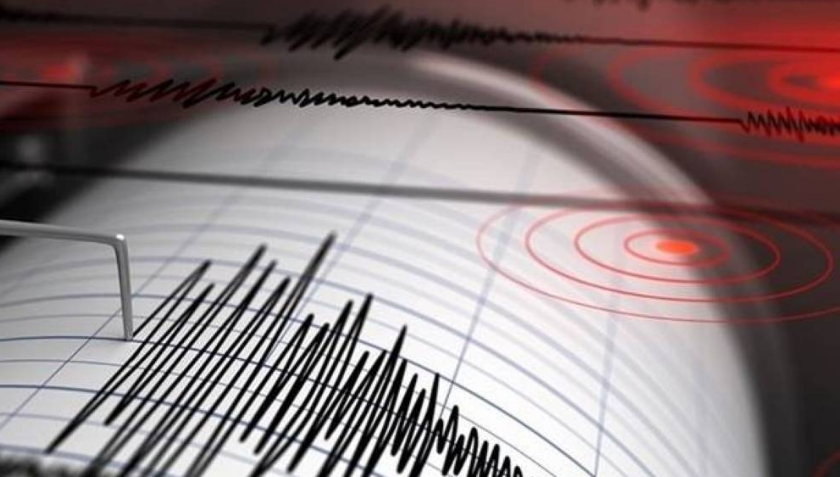
A moderate earthquake measuring 4.4 on the Richter scale struck Papua New Guinea on Monday, according to the United States Geological Survey (USGS).
The tremor was recorded at a depth of 192.1 kilometres, with its epicentre located approximately 129 kilometres from the coastal town of Rabaul, in the East New Britain province. There were no immediate reports of casualties, damage, or tsunami warnings following the quake.
Rabaul, situated on the island of New Britain, is known for its history of volcanic and seismic activity. The town was famously devastated in 1994 when twin volcanic eruptions from Mount Tavurvur and Mount Vulcan buried much of it under ash, forcing thousands of residents to evacuate.
Papua New Guinea lies within the Pacific “Ring of Fire,” a 40,000-kilometre horseshoe-shaped zone that is home to around 90 percent of the world’s active volcanoes and experiences some of the planet’s most frequent and intense earthquakes. The country regularly experiences moderate to strong seismic events due to the complex tectonic interactions between the Pacific and Indo-Australian plates.
Monday’s quake, while relatively deep, was felt in several nearby communities, according to local media reports, though its depth likely reduced the impact at the surface. Authorities have not issued any emergency alerts, but residents have been reminded to remain cautious and prepared for potential aftershocks.
The National Disaster Centre in Papua New Guinea said it is monitoring the situation closely but has not received any reports of structural damage or injuries. “We are assessing the situation in coordination with local authorities, but at this stage, there appears to be no cause for concern,” an official said.
Earthquakes are common in Papua New Guinea, which experiences dozens of tremors each year. Some of these have been severe, such as the 7.5-magnitude earthquake that struck the country’s Highlands region in 2018, killing more than 100 people and displacing thousands.
Seismologists say that while Monday’s 4.4-magnitude quake is considered moderate, it serves as a reminder of the country’s vulnerability to natural disasters. Experts continue to stress the importance of preparedness and resilient infrastructure in a nation where communities often live near tectonic fault lines and active volcanoes.
So far, the USGS has not indicated any significant aftershocks, and normal activity has resumed across most parts of the affected region.