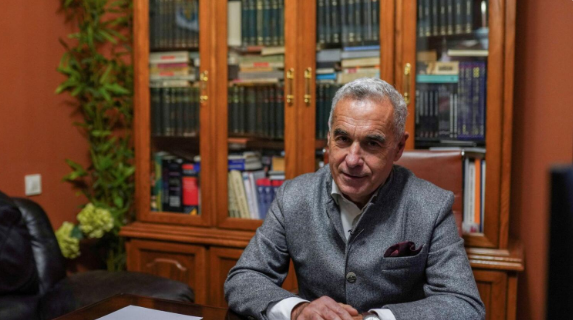
The European Union mission to Libya has expressed deep concern over the worsening security situation in Tripoli, urging rival factions to resolve their disputes peacefully under the auspices of the United Nations.
In a statement shared by EU Ambassador to Libya Nicola Orlando on his official X account, the mission warned that continued clashes in residential areas of the Libyan capital risk further destabilizing the country and endangering civilian lives. It called for the “immediate withdrawal of all security forces from populated neighborhoods” to prevent the crisis from escalating.
“The European Union urges all parties to avoid actions that could undermine stability or put civilians at risk,” the mission said, reiterating its support for the UN Support Mission in Libya (UNSMIL) as the primary mediator for dialogue and conflict resolution. The EU added that it stood ready to back UN-led efforts aimed at protecting civilians and preserving fragile stability in the country.
Libya has been grappling with instability and violent power struggles since the overthrow of longtime ruler Muammar Gaddafi in 2011. Rival administrations and shifting alliances between armed groups have repeatedly plunged the nation into conflict, with Tripoli often serving as the epicenter of tensions. Despite international mediation attempts, progress toward a lasting political settlement has been slow, and the risk of renewed escalation remains high.
Over recent years, the EU has maintained a consistent stance on Libya, advocating an end to violence and calling for a comprehensive political process under UN sponsorship. It has also supported institution-building efforts in both the security and civil sectors, while providing humanitarian assistance to civilians affected by the recurring cycles of conflict.
European officials warn that instability in Libya not only threatens regional security but also risks disrupting migration routes across the Mediterranean and undermining international efforts to curb extremism. The latest statement from the EU mission underscores growing concerns in Brussels that renewed clashes could reverse fragile gains made toward peace and reconciliation.
As tensions mount in Tripoli, international observers stress that a return to violence could have devastating consequences for ordinary Libyans, many of whom have endured years of conflict, economic hardship, and political uncertainty. For the EU, the path forward remains clear: continued support for UN-led negotiations and renewed pressure on all factions to prioritize dialogue over confrontation.