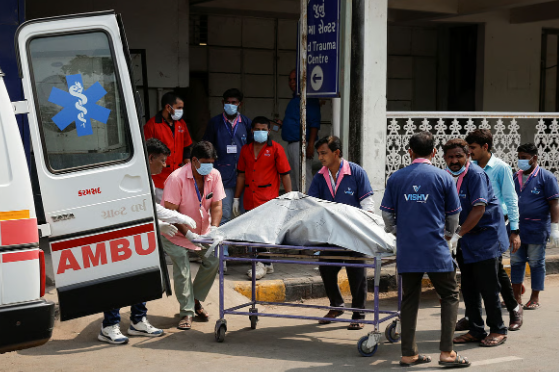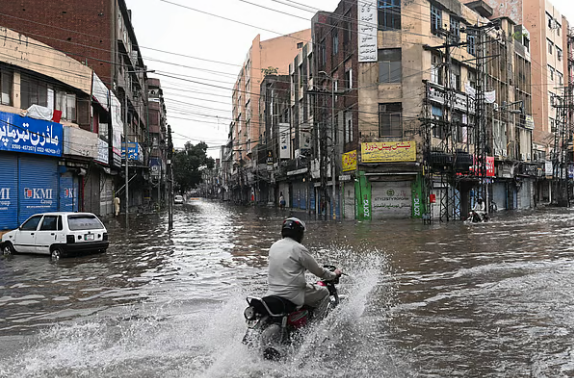
Heavy monsoon rains have unleashed landslides and flash floods across northern Pakistan, killing at least 30 people and trapping dozens more under the rubble of their homes, disaster authorities reported on Friday.
The worst-hit region is the mountainous Khyber Pakhtunkhwa province, where at least 23 people have lost their lives in the past 24 hours. In Pakistan-administered Kashmir, seven more fatalities were confirmed by local disaster management officials.
In Bajaur district, a sudden cloudburst swept away several houses, killing 16 people and leaving more than 20 others stranded, according to the provincial disaster agency. Rescue teams are working to locate survivors, but officials warned that ongoing rain and difficult terrain are hampering efforts.
The Pakistan Meteorological Department has issued a fresh heavy rain alert for the country’s northwest, advising residents to avoid “unnecessary exposure to vulnerable areas” due to the risk of further flooding and landslides.
The annual monsoon season, which lasts from June to September, brings 70 to 80 percent of South Asia’s yearly rainfall. While the rains are vital for agriculture and water supplies, they also regularly cause deadly flooding and widespread damage to infrastructure.
The scale of devastation can be immense. In 2022, unprecedented monsoon floods submerged nearly one-third of Pakistan, displacing millions and killing more than 1,700 people.
Experts warn that the destructive impact of monsoon rains in Pakistan has been intensifying in recent years. Rapid urbanisation, inadequate drainage systems, deforestation, and the effects of climate change have all contributed to making communities more vulnerable. Extreme weather events, such as cloudbursts and intense downpours, are becoming more frequent, increasing the risk of disasters.
Authorities are urging residents in flood-prone and mountainous areas to take extra precautions. “People must remain alert and cooperate with local administrations to avoid unnecessary movement in vulnerable regions,” a spokesperson for the National Disaster Management Authority said.
Relief operations are underway in the affected areas, with emergency services providing shelter, food, and medical assistance to survivors. However, poor road access in remote regions is making it challenging to deliver aid quickly.
With weeks of the monsoon season still ahead, officials fear the death toll could rise further if heavy rains persist. The government has called on humanitarian organisations to be ready for rapid deployment should conditions worsen.
For many communities in northern Pakistan, the monsoon brings both life and loss — sustaining crops and water supplies while also threatening lives, homes, and livelihoods.