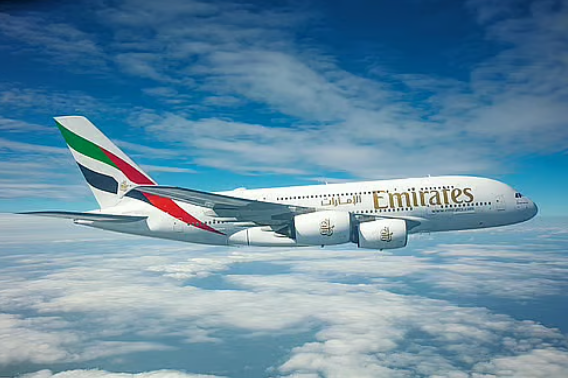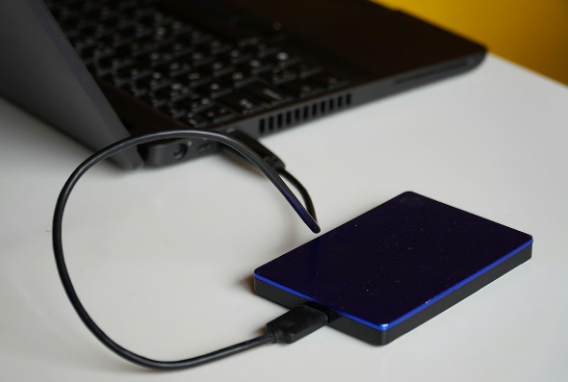
From October 1, passengers on Emirates flights will no longer be allowed to use power banks during travel, the Dubai-based carrier has announced. While travellers may still bring the devices on board, they cannot be charged using the aircraft’s power supply, nor can they be used to charge other devices in-flight.
The decision follows growing safety concerns across the aviation industry over batteries and battery-powered devices. Lithium-ion batteries, which power most portable chargers, have been linked to rare but dangerous incidents of overheating and fire risk at high altitudes.
Emirates joins other UAE and international carriers that have already adopted similar restrictions.
Other UAE Airlines’ Rules
Abu Dhabi-based Etihad Airways permits passengers to carry power banks in cabin baggage, provided they are “individually wrapped or protected.” Devices with a capacity of up to 100Wh are allowed, while those between 100Wh and 160Wh may require prior authorisation. Regardless of size, power banks cannot be used or charged during the flight.
Dubai’s low-cost carrier flydubai also allows power banks in hand luggage, but bans their use in-flight. Devices must have a capacity under 100Wh, though units between 100Wh and 160Wh are permitted. Batteries above 160Wh are strictly prohibited. The airline requires power banks to be packaged to prevent accidental activation, switched off, and stored under the seat in front of the passenger.
Sharjah-based Air Arabia similarly permits power banks only in hand luggage, not in checked baggage. Airline staff advise passengers to check in advance that their devices meet safety requirements for lithium battery capacity.
Non-UAE Carriers’ Restrictions
Air India treats power banks as spare batteries, allowing up to two per passenger, individually packed to prevent short circuits.
Qatar Airways considers any equipment designed to power another device as a battery, including power banks with additional features like flashlights. Those under 100Wh may be carried without approval, while devices between 100Wh and 160Wh require airline authorisation. Units over 160Wh must be transported as air cargo in compliance with IATA Dangerous Goods Regulations.
Singapore Airlines and its budget subsidiary Scoot banned in-flight use of power banks earlier this year. Passengers may still carry devices under 100Wh in cabin baggage, or between 100Wh and 160Wh with prior approval.
Industry experts say such restrictions are aimed at reducing the risk of overheating incidents, which, although rare, can pose serious hazards during flight. Passengers are advised to check their airline’s rules before travelling to avoid last-minute issues at security or boarding.