NASA has announced plans to reduce its workforce by approximately 20% as part of a broader restructuring effort aimed at improving operational efficiency across the agency.
According to a spokesperson, around 3,870 employees are expected to be affected by the cuts, although that number may fluctuate in the coming weeks. Following the layoffs, the agency is expected to retain roughly 14,000 staff members. Details about the timeline for the layoffs have not yet been disclosed.
“This decision was not made lightly,” the spokesperson said. “We are focused on positioning NASA to meet evolving priorities and ensuring the agency remains agile and efficient in delivering its mission.”
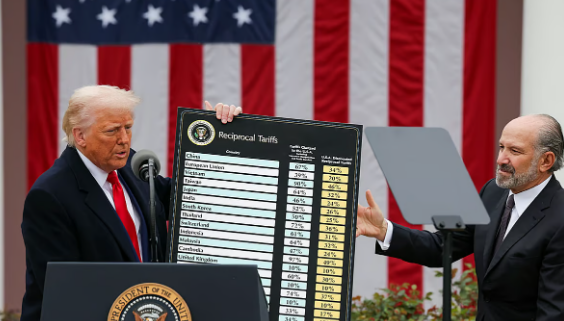
The announcement follows a sweeping government reform push by President Donald Trump, who returned to office in January. In the early days of his new term, Trump pledged to downsize several federal agencies that rely heavily on taxpayer funding, citing a need to rein in government spending and streamline operations.
NASA’s restructuring comes amid shifting national priorities and renewed scrutiny of public-sector budgets. While the agency has made headlines in recent years for advances in space exploration, including plans for lunar and Mars missions, it has also faced pressure to justify rising costs in an increasingly competitive global space landscape.
Critics of the decision warn that the cuts could have long-term consequences for the United States’ leadership in science, innovation, and space technology. Several congressional Democrats called for transparency around how the layoffs would impact ongoing programs and future missions.
“This is deeply concerning,” said Rep. Eleanor Hicks (D-Calif.), a member of the House Committee on Science, Space, and Technology. “NASA plays a critical role in scientific discovery and national security. Gutting its workforce could hinder our ability to compete on the global stage.”
Others argue the move is in line with efforts to make government more efficient. “Every federal agency must adapt to the changing demands of the country,” said Sen. Rick Marston (R-Fla.). “If NASA can achieve more with a leaner team, that should be welcomed by taxpayers.”
It remains unclear which departments or facilities will be most affected by the cuts. NASA leadership is expected to release more information in the coming weeks.
As one of the most high-profile federal agencies, NASA’s downsizing is likely to spark continued debate over the balance between fiscal responsibility and scientific ambition.