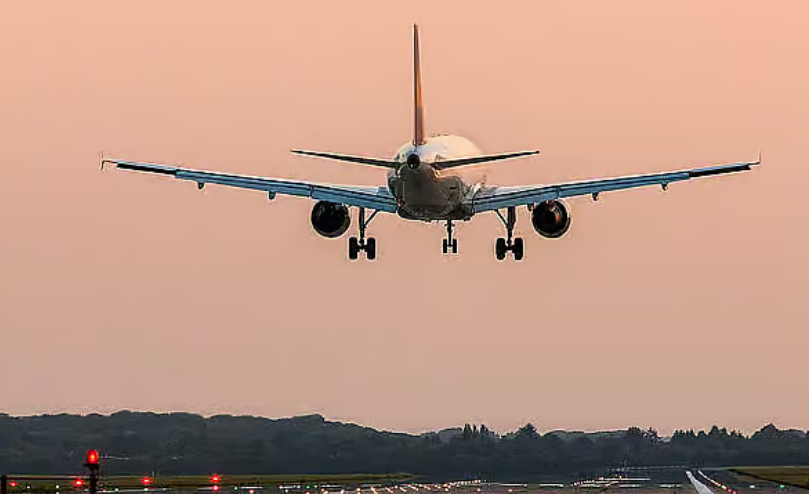
Airlines around the globe are grappling with difficult decisions on Monday over the safety of resuming flights through Middle Eastern airspace, after the United States launched strikes on Iranian nuclear sites, sharply escalating tensions in a region already reeling from a 10-day aerial campaign between Israel and Iran.
Air traffic over the region has thinned dramatically since June 13, when Israel initiated strikes against Iran. With Iran, Iraq, and adjacent airspace largely restricted or avoided, global carriers have been forced to cancel, reroute, or delay services, impacting travel across critical routes between Europe and Asia.
New cancellations have targeted key aviation hubs including Dubai—the world’s busiest international airport—and Doha. However, some airlines cautiously began resuming operations on Monday. Singapore Airlines restarted its Dubai route after cancelling its Sunday flight, calling the situation “fluid.” British Airways also reinstated flights to Dubai and Doha following a one-day suspension.
In contrast, Air France-KLM extended cancellations to Dubai and Riyadh through Monday, citing security risks.
With Russian and Ukrainian skies already closed to most global traffic due to ongoing conflict, Middle Eastern air corridors had become increasingly vital. But amid escalating military operations and retaliatory threats, carriers have shifted to longer routes via the Caspian Sea or through Egypt and Saudi Arabia, raising fuel and staffing costs.
Compounding operational headaches, jet fuel prices are under pressure amid fears that conflict in the oil-rich Gulf could disrupt supplies. Airlines also face a surge in GPS interference and signal spoofing—a growing concern in conflict zones. Swiss-based firm SkAI reported over 150 commercial aircraft spoofed in just 24 hours over the Persian Gulf. Flightradar24 confirmed a “dramatic increase” in such activity in recent days.
Aviation risk monitors warn that American and allied aircraft may face heightened threats in the wake of U.S. strikes. Safe Airspace, a platform tracking global flight safety, flagged increased risks in Gulf countries including Bahrain, Kuwait, Qatar, Saudi Arabia, and the UAE.
U.S. carriers have so far held back. American Airlines, United Airlines, and Air Canada have not resumed suspended services to Dubai and Qatar.
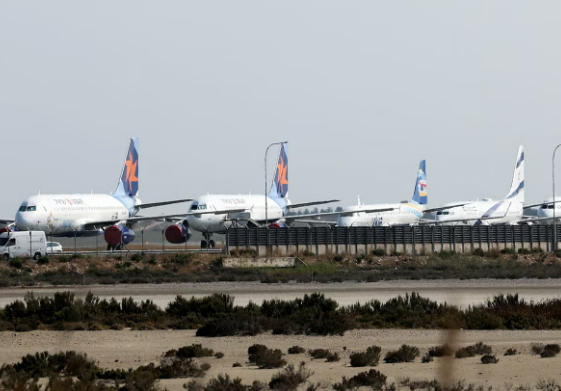
Meanwhile, domestic airlines in Jordan, Iraq, and Lebanon are cautiously resuming limited flights. Israel has ramped up outbound flights, prioritizing those seeking to leave the country. El Al reported receiving 25,000 departure requests in 24 hours, while Israeli authorities are operating 24 daily “rescue” flights, each capped at 50 passengers.
As the region remains on edge, the aviation industry is navigating a volatile and fast-changing landscape—balancing commercial viability with passenger safety in one of the world’s most strategically sensitive airspaces.