Iranian President Masoud Pezeshkian issued a stern warning on Saturday, threatening a “more devastating” retaliation if Israel continues its nine-day bombing campaign, and declared that Iran’s nuclear programme would not be halted “under any circumstances.”
The warning came as Israel confirmed the deaths of three more senior Iranian commanders in its ongoing military offensive, which has included multiple air strikes across Iranian territory. Among the targets was the Isfahan nuclear facility, which Israel claimed to have struck for a second time in what has become an unprecedented escalation between the two regional powers.
Israeli Foreign Minister Gideon Saar said the strikes had significantly impacted Iran’s nuclear ambitions, claiming the campaign had “set back Tehran’s progress towards a nuclear weapon by at least two years.”
The developments have placed growing pressure on the United States to decide whether to formally join Israel’s campaign. On Friday, President Donald Trump warned Iran that it had a “maximum” of two weeks to strike a deal or face potential American military action.
Pentagon sources confirmed that B-2 stealth bombers — capable of carrying the 30,000-pound GBU-57 Massive Ordnance Penetrator, designed for deep-underground targets — have been deployed to Guam. Any potential strike would likely target the Fordow enrichment facility, Iran’s most fortified nuclear site.
However, divisions have emerged between U.S. and Israeli officials over the timing and scale of potential action. According to sources familiar with the discussions, Israeli leaders told the Trump administration in a tense phone call Thursday that they are unwilling to wait two weeks and may take unilateral military action. They expressed concern that delays could allow Iran to recover critical capabilities.
In the same conversation, U.S. Vice President JD Vance reportedly expressed skepticism about direct American involvement, warning that Israel’s stance risked dragging the U.S. into a broader war.
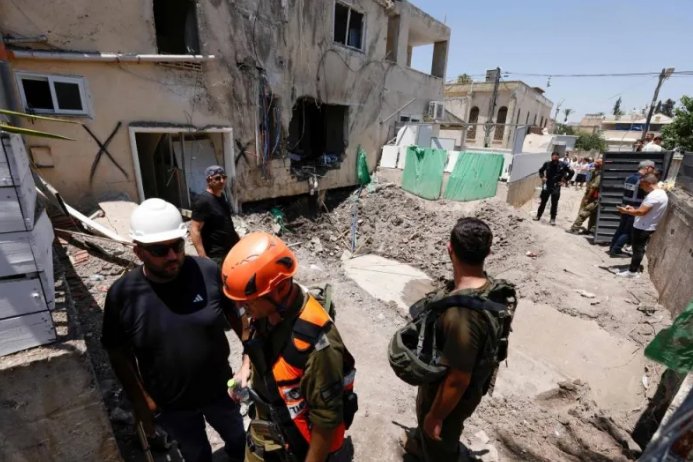
The military conflict shows no signs of slowing. On Saturday, Israel launched a new wave of strikes in southern Iran’s Bandar Abbas region, targeting drone storage sites and weapons facilities. Meanwhile, Iran claimed to have launched drones and missiles at central Israel overnight in retaliation.
Iranian state media also reported fresh Israeli strikes on the southern city of Shiraz, where several military bases are located.
The intensifying exchange of fire marks one of the most dangerous escalations in years between Iran and Israel, raising fears of a wider regional war and drawing global attention to the uncertain future of Iran’s nuclear programme and the U.S.’s role in the crisis.