Six Arab countries have intensified diplomatic consultations as renewed tensions in the Gulf raise concerns about regional security, military escalation and the safety of international shipping routes.
Foreign ministers and senior officials from the UAE, Qatar, Oman, Bahrain, Jordan and Egypt held separate telephone discussions on Tuesday, November 17, focusing on regional developments, diplomatic efforts and ways to strengthen cooperation.
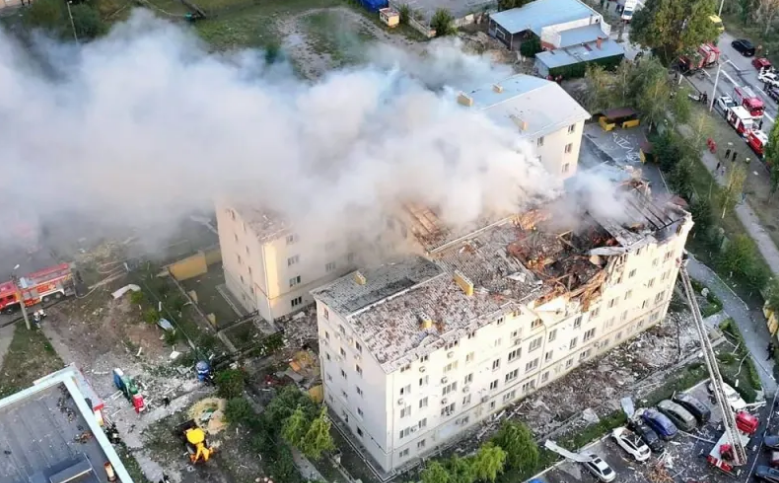
The consultations came as Bahrain reported intercepting another Iranian aerial attack, heightening concerns about the widening confrontation and its potential consequences for neighbouring countries.
Although the discussions were conducted separately, official statements from the participating countries highlighted common priorities, including dialogue, political solutions, maritime security and regional stability.
UAE Deputy Prime Minister and Minister of Foreign Affairs Sheikh Abdullah bin Zayed Al Nahyan spoke with Qatar’s Prime Minister and Minister of Foreign Affairs Sheikh Mohammed bin Abdulrahman bin Jassim Al Thani.
The two officials reviewed bilateral relations and opportunities to expand cooperation, while exchanging views on regional developments and efforts to prevent further instability.
Qatar’s foreign ministry said the discussion also covered diplomatic initiatives aimed at reducing tensions. Al Thani reaffirmed Doha’s support for efforts to protect freedom of maritime navigation and achieve a comprehensive agreement that could contribute to lasting peace.
The Qatari prime minister also held a separate call with Jordanian Foreign Minister Ayman Safadi. Their discussion covered bilateral relations, regional developments and diplomatic efforts to prevent further escalation.
Oman’s Foreign Minister Badr bin Hamad Al Busaidi and Egyptian Foreign Minister Badr Abdelatty also discussed the situation, reviewing regional developments and opportunities to coordinate efforts towards political solutions.
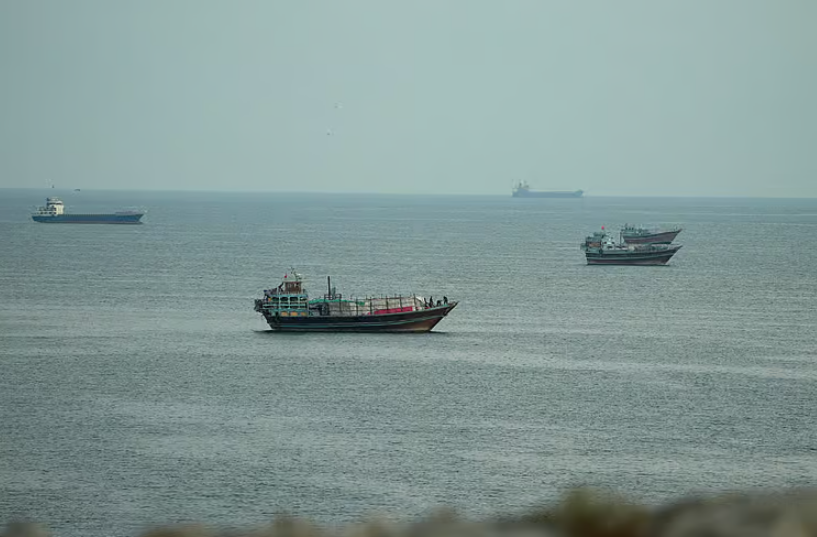
Both ministers stressed the importance of continued consultations and protecting maritime routes, particularly as security concerns persist around the Strait of Hormuz. Oman has been involved in facilitating communication between Washington and Tehran, while Egypt has supported diplomatic efforts to contain regional tensions.
Safadi separately spoke with Bahrain’s Foreign Minister Abdullatif bin Rashid Al Zayani, expressing Jordan’s solidarity with Bahrain following the latest reported Iranian attacks.
Safadi condemned the attacks and reaffirmed Jordan’s support for Bahrain’s sovereignty, security and stability. The two officials also discussed bilateral cooperation and regional developments.
Bahrain said its air defence systems had intercepted an Iranian aerial attack. Iran’s Islamic Revolutionary Guard Corps claimed it had targeted a US radar installation at Sheikh Isa Air Base, although the extent of any damage was not independently confirmed.
The diplomatic activity reflects growing concern among Gulf and wider Arab governments over the potential consequences of continued military confrontation.
The Strait of Hormuz remains central to those concerns because of its importance to global oil and gas shipments. Any disruption to commercial shipping could affect energy supplies, transport costs and regional economies.
While the latest calls produced no announced agreement or breakthrough, they underscored continued efforts by Arab governments to maintain diplomatic channels and prevent the crisis from escalating further.