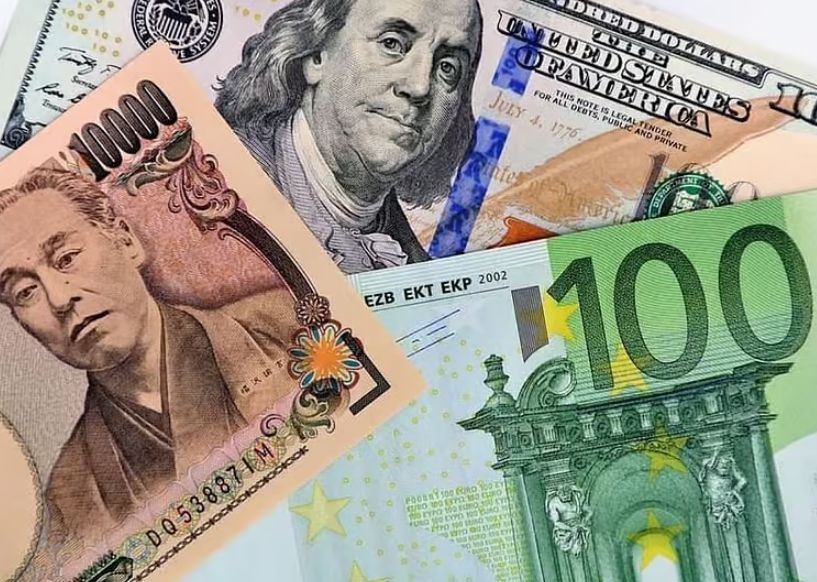
The US dollar climbed to a seven-week high on Wednesday as investors sought safety amid renewed fighting between the United States and Iran and growing concerns about the economic impact of higher energy prices.
The greenback strengthened as oil prices came under renewed pressure following the latest escalation between Washington and Tehran. Higher energy costs are generally seen as less damaging to the US economy than to other major economies, making the dollar more attractive compared with currencies such as the euro and Japanese yen.
The dollar index, which tracks the US currency against a basket of major currencies, rose 0.11% to 99.76 after reaching 99.808, its highest level since August 17.
The euro fell 0.16% to $1.1575 after touching $1.1570, its weakest level since August 20.
Markets are also assessing different interest rate paths among major central banks. The European Central Bank is widely expected to raise interest rates again next week, but economists believe that move could mark the final increase of its current tightening cycle.
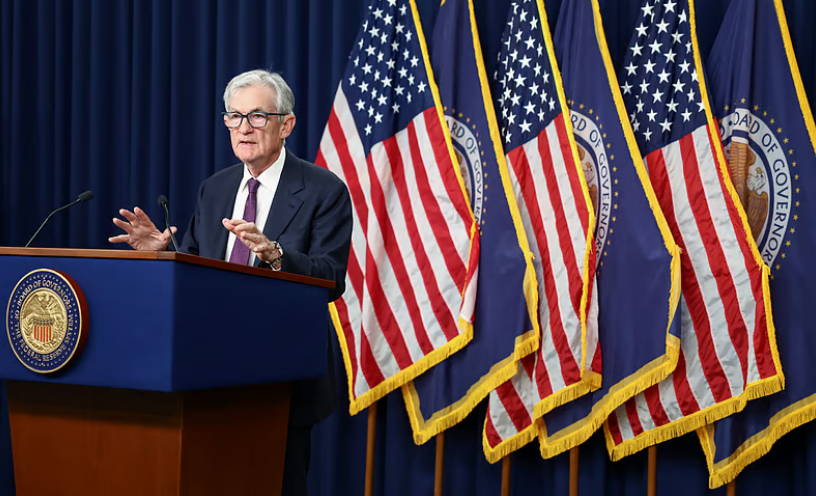
The Federal Reserve faces a different outlook, with markets increasingly expecting US policymakers to consider raising rates in 2027 if energy-driven inflation remains persistent.
George Brown, senior economist at Schroders, said the ECB was expected to complete its rate increases by the end of the year, while the Federal Reserve could only be starting its own tightening process next year.
The prospect of wider interest rate differences between the US and Europe could support the dollar and put further pressure on the euro.
However, rising US government debt and concerns about inflation could create problems for the dollar. The yield on the benchmark 10-year US Treasury note reached 4.812%, its highest level since November 2023, before easing to 4.804%.
Japan’s 10-year government bond yield also continued climbing, reaching 3.01% after crossing 3% for the first time in three decades on Tuesday.
Investors have increased their expectations for a September Federal Reserve rate increase. Markets are now pricing in a 70% probability of a hike, up from about 40% a week earlier.
The Japanese yen recovered from an earlier decline, rising 0.45% to 159.50 per dollar. It had weakened to its lowest level since July 31 and remained close to the key 160-per-dollar threshold.
Bank of Japan Governor Kazuo Ueda said consecutive interest rate increases could be considered, while US Treasury Secretary Scott Bessent backed decisive action to address weakness in the yen during a meeting with Ueda.
The New Zealand dollar also came under pressure, falling 1.01% to $0.5844 despite the country’s central bank raising its official cash rate by 25 basis points to 2.75%.
Analysts said investors viewed the New Zealand rate decision as less aggressive than expected, adding to the currency’s decline.