India has stepped up monitoring of glaciers and glacial lakes in its Himalayan regions bordering Nepal and China following deadly floods that were apparently triggered by a glacial collapse, authorities said on Saturday.
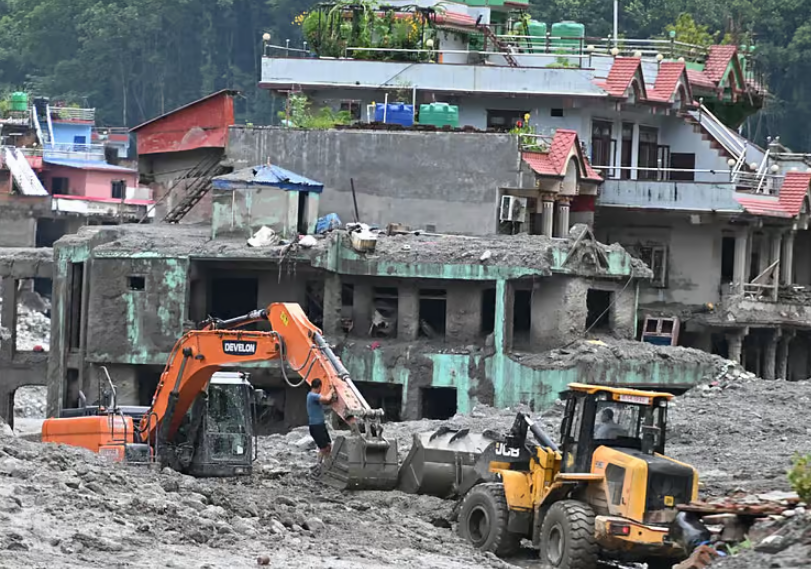
The decision comes days after a disaster struck near the Tibet-Nepal border, sending a powerful torrent of water and debris through the region. The US Geological Survey said the disaster on Wednesday was caused by a glacial collapse. Nearly 3,000 people are reported missing and 633 deaths have been confirmed.
The exact circumstances behind the glacial collapse remain unclear. Scientists have warned, however, that rising global temperatures are causing glaciers to melt at faster rates, increasing the possibility of sudden floods and other hazards in mountain regions.
Madan Kaushik, Uttarakhand’s state disaster management minister, said authorities had ordered closer surveillance of glaciers and known glacial lakes across the Himalayan state.
“Since we share a border with Nepal, as a neighbour, and also have a similar geographic situation, we have asked our department to monitor all the glaciers and known glacial lakes in the region,” Kaushik told AFP.
He said teams had been instructed to remain vigilant and look for signs that a similar event could be developing elsewhere in Uttarakhand.
The state is among India’s most environmentally sensitive mountain regions. Government figures show that Uttarakhand has 1,266 glacial lakes, many of which can pose risks to communities if rapidly rising water levels cause them to burst.
The Himalayas contain glaciers that provide water to almost two billion people across Asia. Scientists say these glaciers are losing ice at an accelerating rate as the climate warms, increasing the risks faced by communities living in mountain valleys and downstream areas.
The dangers extend beyond flooding. As glaciers melt and permafrost thaws, slopes can become less stable, raising the likelihood of landslides and rockfalls.
Mountain communities are particularly vulnerable because settlements, roads and other infrastructure are often located in narrow valleys where floods and landslides can cause widespread destruction.
Experts say climate change is not the only factor increasing disaster risks in the Himalayas. Poorly planned construction and development in fragile mountain environments can worsen the impact of extreme weather and geological events.
The latest disaster has renewed concerns across countries sharing the Himalayan mountain range about the need for stronger early-warning systems and closer monitoring of glaciers and glacial lakes.
For Indian authorities, the immediate priority is identifying potential danger zones and ensuring that emergency teams are prepared to respond if water levels rise rapidly or signs of instability emerge.
Officials in Uttarakhand have urged monitoring teams to remain alert as the region continues to face the growing effects of a changing climate.