The UAE could see a small increase in petrol and diesel prices next month as global crude oil prices remain elevated amid continued tensions in the Middle East.
The country is expected to announce its revised fuel prices for September 2026 next week. Market watchers are anticipating a modest upward adjustment after oil prices remained firmly above July levels during August.
Brent crude averaged about $87.70 a barrel in August, compared with $83.46 in July. Prices remained volatile during the first three weeks of the month as tensions involving the United States and Iran, along with disruptions affecting shipping through the Strait of Hormuz, kept crude prices largely in the $80 to $90 range.
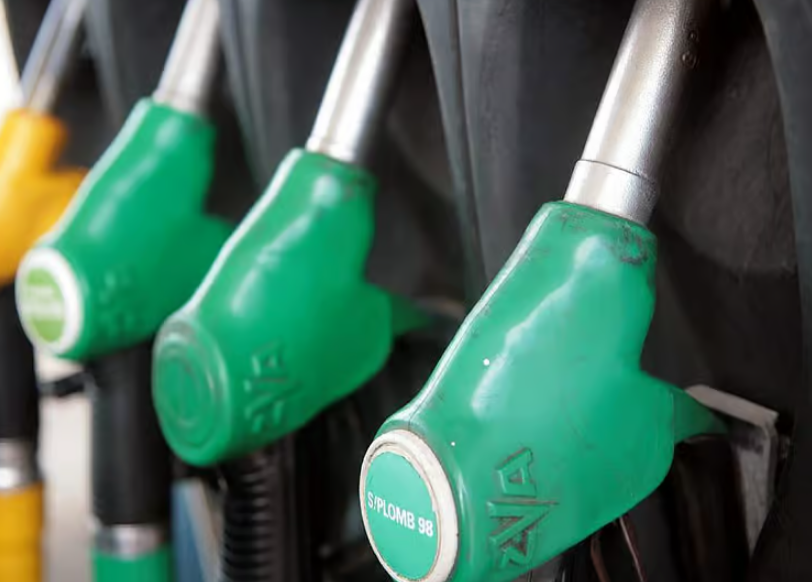
The UAE had already increased petrol prices by around Dh0.20 per litre for August after international crude prices rose during July.
Under the August rates, Super 98 was priced at Dh3.60 per litre, while Special 95 cost Dh3.49 and E-Plus was priced at Dh3.41. Diesel prices were also adjusted as part of the monthly pricing system.
On Tuesday morning, Brent crude was trading at about $91.18 a barrel, while West Texas Intermediate stood at around $84.13.
Naeem Aslam, chief investment officer at Zaye Capital Markets, said physical supply uncertainty remained the main factor influencing oil prices.
“Tanker traffic through the Strait of Hormuz is still heavily disrupted,” he said, adding that the market remained sensitive to developments affecting Iranian exports, regional shipping routes and refinery access.
Aslam said oil prices could remain above $90 if tougher sanctions reduce Iranian exports or further restrict shipping. However, an improvement in diplomatic conditions and a return to normal tanker movements could quickly reduce some of the additional premium built into crude prices.
US President Donald Trump has announced new sanctions against Iran and threatened further economic measures against countries continuing to cooperate with Tehran. The restrictions could add pressure to Iranian oil exports and contribute to tighter global supply.
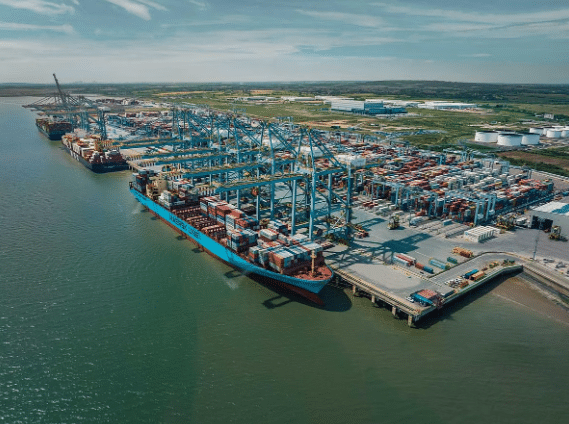
Vijay Valecha, chief investment officer at Century Financial, said around 40 tankers passed through the Strait of Hormuz on Friday night, carrying almost 16 million barrels of oil. The movement provided some short-term relief to supply concerns, he said.
However, Valecha noted that overall shipping flows remain well below normal levels. Rising tensions around the strategic waterway and tougher US sanctions against Iran and some of its trading partners continue to pose risks to global oil supplies.