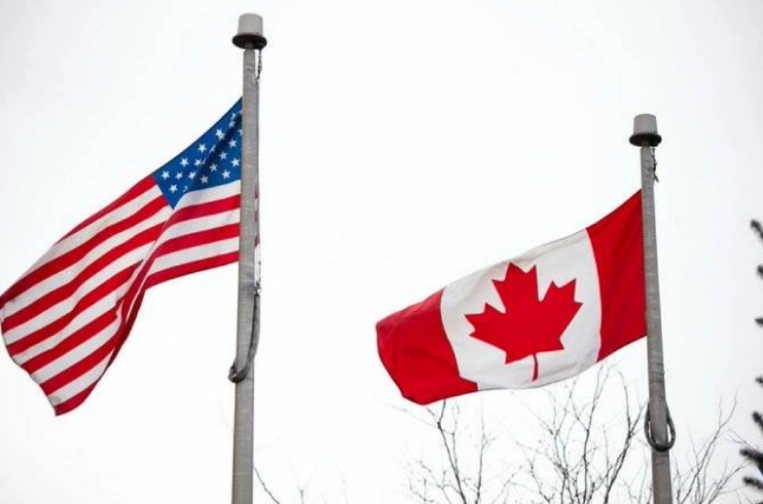
The United States and Canada have failed to reach a trade agreement, setting the stage for a fresh round of tariffs and deepening economic tensions between the two long-standing allies.
The White House said Washington would impose 50% tariffs on certain Canadian imports after negotiations broke down. The duties, imposed under Section 338, will affect Canadian goods worth about $20 billion and are due to take effect at midnight Saturday.
Canadian Prime Minister Mark Carney responded by suspending trade negotiations with the United States and announcing that Canada would match the new US tariffs dollar for dollar.
The breakdown followed three days of negotiations in Washington between Canadian Minister responsible for Canada-US Trade Dominic LeBlanc and US Trade Representative Jamieson Greer.
In a statement, Carney said Canadian officials had negotiated in good faith and worked to protect the interests of Canadian businesses and consumers during the final stages of the talks.
However, he said changes made to the US proposals at the last minute were unfair and economically unworkable. Carney also questioned whether any future agreement could be considered reliable if the terms could be altered so late in the negotiations.
The collapse of the talks marks a new setback in relations between the two North American economies, whose businesses and supply chains are closely connected.
The latest tariffs threaten to increase costs for companies importing Canadian products into the US and could prompt higher prices for consumers. Canada’s decision to respond with matching duties could also increase costs for American exporters selling goods in the Canadian market.
The dispute comes after months of uncertainty over trade relations between the two countries. Businesses on both sides of the border have been seeking clarity as governments negotiate new arrangements governing the movement of goods.
The US administration has used tariffs as a central part of its trade policy, arguing that import duties can protect domestic industries and encourage trading partners to make concessions.
Canada has repeatedly warned that broad or punitive tariffs could damage businesses and workers in both countries because of the deep integration of their economies.
The latest measures will now put additional pressure on companies that depend on cross-border trade. Industries affected by the new tariffs could face higher import costs, while exporters may encounter weaker demand if retaliatory duties raise prices.
The White House did not immediately indicate whether further negotiations could resume after the new tariffs take effect.
For Canada, Carney’s decision to suspend talks signals a tougher response to Washington’s latest trade demands. Matching the tariffs dollar for dollar also raises the prospect of a broader dispute if neither side backs down.
The failed negotiations leave businesses facing renewed uncertainty and increase the risk of further measures as Washington and Ottawa attempt to protect their respective economic interests.