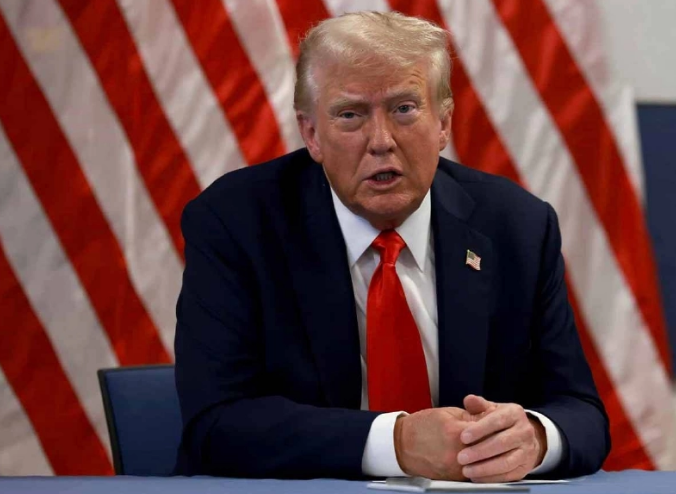
US President Donald Trump has paused the introduction of new 50 percent tariffs on some Canadian goods for three days, giving negotiators additional time to work toward a trade agreement and easing the immediate risk of another escalation between the two neighbours.
Trump announced the temporary hold on Wednesday as the United States and Canada continued discussions aimed at resolving differences over trade. The pause is intended to allow both sides to make further progress before the new duties are imposed.
The decision comes amid strained relations between Washington and Ottawa. Trump said the additional time would provide an opportunity for more negotiations and avoid an immediate increase in trade tensions.
The latest tariff threat follows orders Trump signed last month imposing 50 percent duties on selected Canadian products. His administration accused Canada of treating American goods unfairly, with particular criticism directed at trade in automobiles and dairy products.
The proposed tariffs have raised concerns among businesses and policymakers on both sides of the border because Canada and the United States maintain one of the world’s largest trading relationships. Many industries rely heavily on cross-border supply chains, meaning higher tariffs could increase costs for manufacturers, retailers and consumers.
The three-day suspension gives negotiators a narrow window to address the outstanding issues and seek an agreement that could prevent the new measures from taking effect.
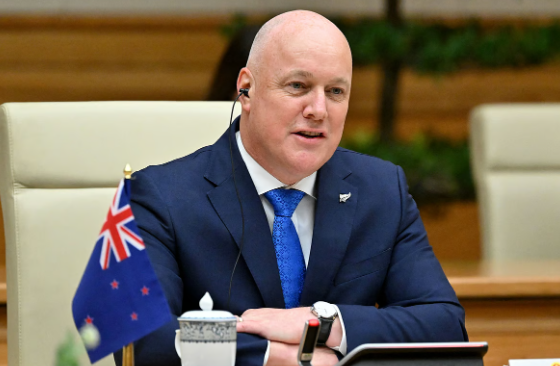
Canadian Prime Minister Mark Carney welcomed the additional time but stressed that significant work remained before a final deal could be reached.
Canada has continued to seek stable access to the US market while defending its trade policies and industries. Ottawa has also previously warned that broad tariffs could harm businesses and workers in both countries by raising costs and disrupting established supply networks.
The latest pause reflects the uncertain state of US-Canada trade relations under the Trump administration, which has increasingly used tariffs as part of its economic policy.
For companies that depend on cross-border trade, the temporary suspension provides some immediate relief, but uncertainty remains because the tariffs could still take effect if negotiations fail to produce progress.
Markets and businesses are expected to closely monitor talks over the next three days. A successful agreement could prevent a new round of trade restrictions, while a breakdown in negotiations could bring the threatened tariffs back into force.
The dispute also highlights the broader challenge facing the two countries as they attempt to balance domestic industry concerns with the economic importance of maintaining strong bilateral trade.
Carney’s comments suggest that Canadian officials view the pause as an opportunity rather than a settlement, with further negotiations needed to resolve the issues behind the proposed tariffs.