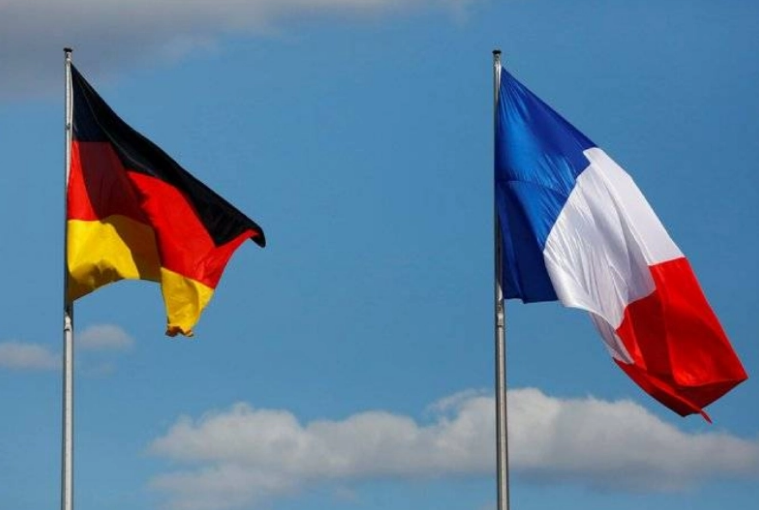
Germany and France have begun formal discussions aimed at expanding bilateral cooperation on nuclear deterrence, marking a significant step in their broader efforts to strengthen European defence coordination amid growing security concerns.
The talks follow an agreement announced in March by German Chancellor Friedrich Merz and French President Emmanuel Macron to establish a high-level Nuclear Steering Group designed to deepen strategic dialogue between the two countries.
According to local reports, the first round of discussions took place in Paris, with a second session expected in Berlin before the summer break.
In a statement, the German Chancellery said both governments had agreed on executive measures for the steering group and planned to take practical steps during the current year. Among those measures is Germany’s participation in French nuclear-related military exercises and a series of joint visits to strategic facilities.
Germany is expected to take part in such exercises for the first time in September. Officials said Berlin’s initial role will be limited to observation, while later stages may involve logistical and strategic support by the German military not directly connected to nuclear weapons themselves.
The initiative also includes cooperation on supporting the nuclear defence capabilities of other European countries as part of wider regional security planning.
Despite the increased coordination, Berlin and Paris stressed that the partnership is not intended to replace NATO’s nuclear deterrence system or Germany’s existing arrangements under the alliance. Instead, officials described the effort as complementary to NATO structures and consistent with international obligations.
A joint German-French declaration said both countries remain committed to the Treaty on the Non-Proliferation of Nuclear Weapons and will continue operating within established legal frameworks.
The declaration also reaffirmed support for Article 5 of the North Atlantic Treaty, which commits NATO members to collective defence, and Article 42.7 of the European Union Treaty, which outlines mutual assistance obligations among EU states.
Officials said the cooperation is designed to reinforce Europe’s overall security architecture while maintaining close coordination with key allies, including the United States, Britain and other NATO partners.
The Nuclear Steering Group announced earlier this year is intended to serve as a permanent bilateral mechanism for defence consultation and strategic planning. Its mandate includes discussions on the balance between conventional military capabilities, missile defence systems and the role of France’s nuclear deterrent.
France remains the European Union’s only nuclear-armed member state following Britain’s departure from the bloc, giving Paris a central role in debates over Europe’s future security posture.
The new talks come at a time of heightened concern over regional stability and renewed discussion among European governments about long-term defence preparedness and strategic autonomy.