German businesses are increasingly feeling the economic strain of the conflict in the Middle East, with a new survey showing that more than four out of five companies have experienced negative effects on their operations.
The flash survey, conducted by the German Chamber of Commerce and Industry (DIHK) between April 13 and 15, gathered responses from more than 2,400 companies across major sectors of the economy. It found that 83% of firms reported being affected by the crisis, citing higher costs, supply chain disruptions and growing uncertainty as the main challenges.
Transport and logistics companies emerged as the most severely affected sector, with 94% reporting difficulties linked to the conflict. Construction firms followed at 91%, while 90% of retailers also said their operations had been negatively impacted.
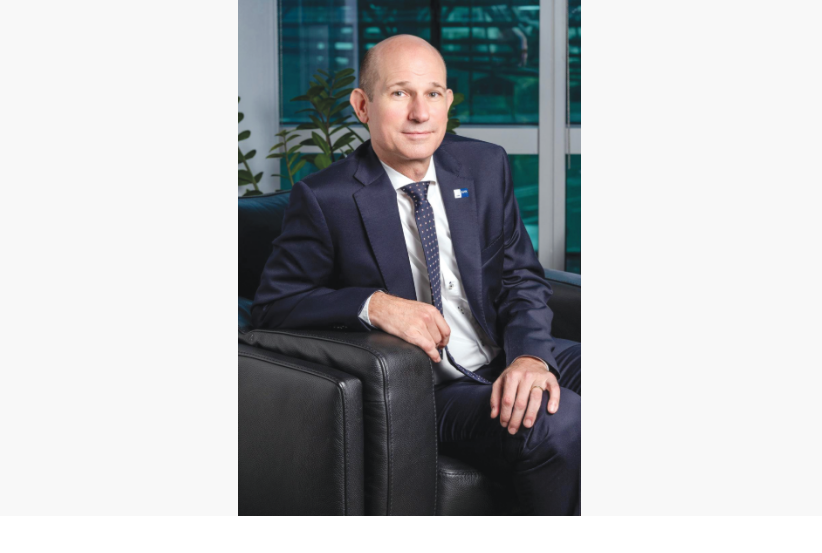
The disruption of shipping routes through the Strait of Hormuz has become a major concern for German businesses operating in or trading through the Gulf region. Dr Martin Henkelmann, Regional CEO of the German Chambers of Commerce covering Qatar, the UAE, Kuwait, Oman and Pakistan, said regional trade routes were now being viewed as high-risk corridors rather than stable transit hubs.
Speaking in Doha, Dr Henkelmann said the situation had placed heavy pressure on logistics and transport operations across the Gulf, particularly as maritime risks continue to rise.
According to the survey, rising freight and transport costs were the most common burden, cited by 73% of affected companies. Higher energy costs followed closely at 71%, while 58% pointed to increasing raw material and supply expenses.
Nearly half of respondents said they were already seeing weaker demand or declining orders, while more than a third reported supply bottlenecks and delays. Shortages of key materials are also beginning to emerge, especially in manufacturing and construction.
Companies identified a wide range of products becoming harder to source, including plastics, chemical materials, fuel products, semiconductors and industrial metals such as aluminium, copper and steel.
The impact varies across industries. Energy costs were the dominant issue for transport firms, while manufacturers were more exposed to shortages and rising material prices. Retailers and hospitality businesses reported weaker consumer demand as households cut spending amid economic uncertainty.
Many firms are now taking defensive measures. Around half plan to pass some higher costs onto customers, although long-term contracts and pricing agreements are limiting flexibility. Others are delaying investments, increasing inventories or strengthening supply chain monitoring.
Businesses also reported taking broader cost-cutting steps, including hiring freezes, reduced spending and tighter wage controls.
Despite the difficult environment, German business leaders said they still view Gulf markets such as Qatar as strategically important. Dr Henkelmann said German firms continue to see opportunities in sectors including digital health, cybersecurity, vocational training and sustainable urban development.
He added that future growth would increasingly depend on long-term partnerships, technology cooperation and local investment rather than exports alone.