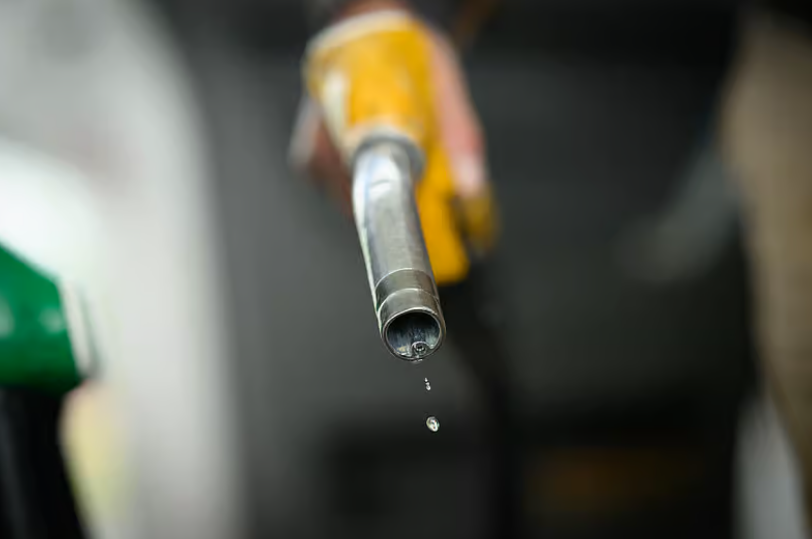
India’s state-run fuel retailers have increased petrol and diesel prices for the first time in four years as the government grapples with rising global crude oil costs and mounting pressure on public finances following disruptions to Middle East energy supplies.
The increase of 3 rupees per litre, equivalent to more than 3%, was implemented by major state-controlled fuel companies including Indian Oil Corporation, Hindustan Petroleum Corporation and Bharat Petroleum, which together operate more than 90% of India’s fuel stations.
A spokesperson for Bharat Petroleum confirmed the changes, while the other companies did not immediately comment publicly.
Following the adjustment, diesel prices in Delhi rose to 90.67 rupees per litre from 87.67 rupees, while petrol climbed to 97.77 rupees from 94.77 rupees. The move comes after global oil prices surged above $120 a barrel during heightened tensions in the Middle East before easing slightly to around $100–$105.
India, the world’s third-largest oil importer and consumer, had until now avoided raising retail fuel prices despite the disruption to shipping routes through the Strait of Hormuz caused by the conflict involving Iran, the United States and Israel.
Analysts said the increase is intended to offset mounting losses suffered by fuel retailers due to elevated import costs. Officials previously estimated that state-run companies were losing heavily on diesel and petrol sales as global crude prices climbed sharply.
Economists expect the direct impact on inflation to remain relatively limited in the short term, though wider economic effects may become more significant if energy costs remain elevated. Madhavi Arora, chief economist at Emkay Global Financial Services, said the current increase may only be the beginning of a phased adjustment process.
At the same time, New Delhi has introduced fuel-saving measures as policymakers prepare for the possibility of a prolonged energy crisis. Prime Minister Narendra Modi recently urged government departments and businesses to adopt fuel conservation practices, including remote working arrangements, reduced travel and limits on non-essential imports.
Several Indian states have already instructed government offices to cut travel and move meetings online, with some departments operating on reduced staffing schedules. Officials are reportedly considering expanding such measures across federal agencies, state-run banks and public-sector companies.
Industry analysts believe higher fuel costs and conservation policies could weaken fuel demand growth over the coming year. Ratings agency ICRA has already lowered its forecast for petrol demand growth, while expectations for diesel consumption have also been revised downward.
Opposition parties and market observers have accused the government of delaying fuel price increases until after recent state elections, which concluded earlier this month.
The price rise follows similar moves by private-sector refiners earlier this year as companies across India’s energy sector attempt to manage the financial strain caused by volatile global oil markets.