Tensions between the United States and Iran escalated on Tuesday as both sides signalled readiness for renewed conflict, with uncertainty surrounding a possible second round of negotiations in Islamabad.
The White House indicated that Vice President JD Vance was prepared to return to Pakistan for talks aimed at ending the conflict that has shaken the Middle East and disrupted global markets. However, Tehran stopped short of confirming its participation and accused Washington of breaching the ceasefire through its naval blockade and seizure of an Iranian-linked vessel.
Iranian parliament speaker Mohammad Bagher Ghalibaf said the United States was attempting to pressure Tehran into concessions. He warned that Iran would not negotiate under threats and claimed the country had spent recent weeks preparing for potential military escalation.
The Islamic Revolutionary Guard Corps also issued a warning that any vessel attempting to pass through the Strait of Hormuz without permission could be targeted. The strait, a critical route for global oil shipments, has seen heightened tensions since the outbreak of hostilities in late February.
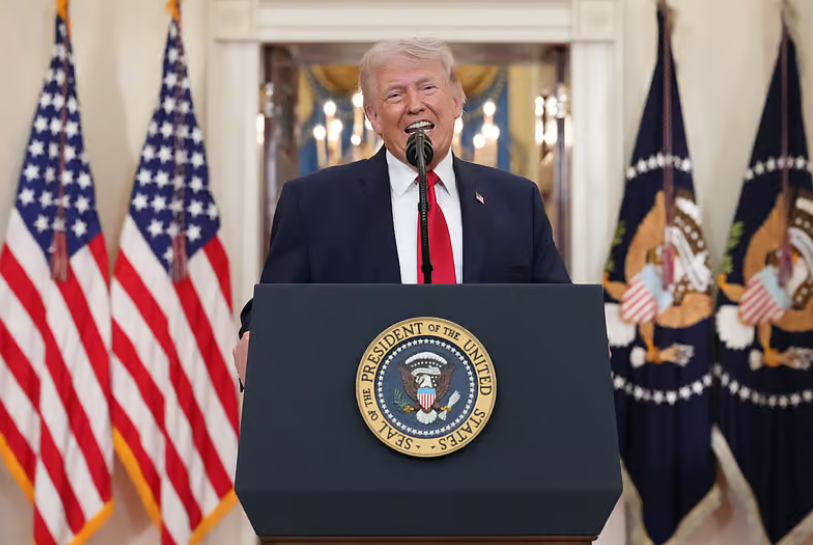
US President Donald Trump accused Iran of violating the truce by harassing shipping traffic in the same waterway. He defended the ongoing blockade of Iranian ports, stating it would remain in place until a deal is reached, particularly regarding Tehran’s nuclear programme.
Trump said Iran had initially agreed to attend the Pakistan talks but warned that failure to reach an agreement could result in a return to hostilities. He also indicated it was unlikely the current ceasefire would be extended, with its expiry expected within hours, depending on time zone calculations.
Despite the uncertainty, global markets showed cautious optimism. Oil prices dipped slightly on hopes of a diplomatic breakthrough, while stock markets in several regions posted gains.
Inside Iran, residents described a tense atmosphere despite a temporary reduction in hostilities. Some reported limited improvement in daily life, while others pointed to ongoing economic strain linked to the conflict.
Meanwhile, diplomatic efforts continued on other fronts. A separate ceasefire involving Israel and Lebanon has led to planned talks in Washington later this week. However, sporadic violence has persisted, and warnings have been issued to civilians in southern Lebanon amid concerns of further clashes.
Another key issue in the US-Iran dispute remains Tehran’s stockpile of enriched uranium. Washington has pushed for its transfer as part of any agreement, while Iranian officials insist the matter has not been discussed and reject any such demand.
With the ceasefire deadline approaching, the situation remains volatile, and the prospect of renewed fighting continues to cast a shadow over diplomatic efforts.