Pakistan’s top civilian and military leadership wrapped up parallel diplomatic efforts on Saturday aimed at easing tensions in the ongoing Iran conflict, as the country positions itself at the centre of renewed peace initiatives.
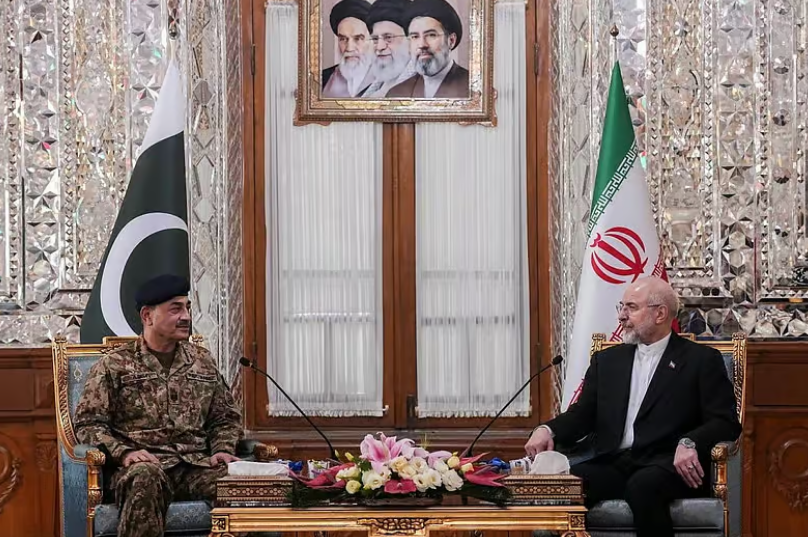
Field Marshal Asim Munir concluded a three-day visit to Tehran, where he met senior Iranian officials and representatives involved in ongoing negotiations. Meanwhile, Prime Minister Shehbaz Sharif returned from Antalya after attending a major diplomatic forum, marking the end of his regional tour focused on de-escalation efforts.
According to a statement from Pakistan’s military, Munir’s visit underscored the country’s commitment to facilitating dialogue and encouraging a negotiated settlement. During his time in Tehran, he held discussions with Iran’s president, foreign minister, parliament speaker and senior military leadership, focusing on reducing tensions and advancing diplomatic engagement.
The visit comes at a sensitive moment, with expectations growing for a second round of talks between the United States and Iran, likely to take place in Islamabad in the coming days. A previous round of discussions hosted in the Pakistani capital last week ended without a breakthrough, though both sides signalled willingness to continue negotiations.
Iran’s delegation to those talks was led by Foreign Minister Abbas Araghchi and Parliament Speaker Mohammad Bagher Ghalibaf, marking one of the highest-level direct engagements between Tehran and Washington in decades.
At the same time, Sharif’s diplomatic tour included stops in Saudi Arabia, Qatar and Turkey, where he sought regional support for peace efforts and coordinated positions with key allies. Pakistan’s Foreign Minister Ishaq Dar accompanied him during the trip.
Officials said both the civilian and military leadership stressed the need for continued diplomacy, warning that further escalation could have serious regional and global consequences. In Tehran, Munir highlighted the importance of dialogue and sustained engagement to resolve outstanding disputes.
Tensions remain high, with Iran warning it could again close the Strait of Hormuz if pressure from the United States intensifies. The waterway, a critical route for global energy supplies, had only recently reopened following a temporary ceasefire linked to wider regional developments.
With fresh talks expected soon, Pakistan’s role as a mediator appears to be expanding, as diplomatic channels remain active despite the lack of a formal agreement so far.