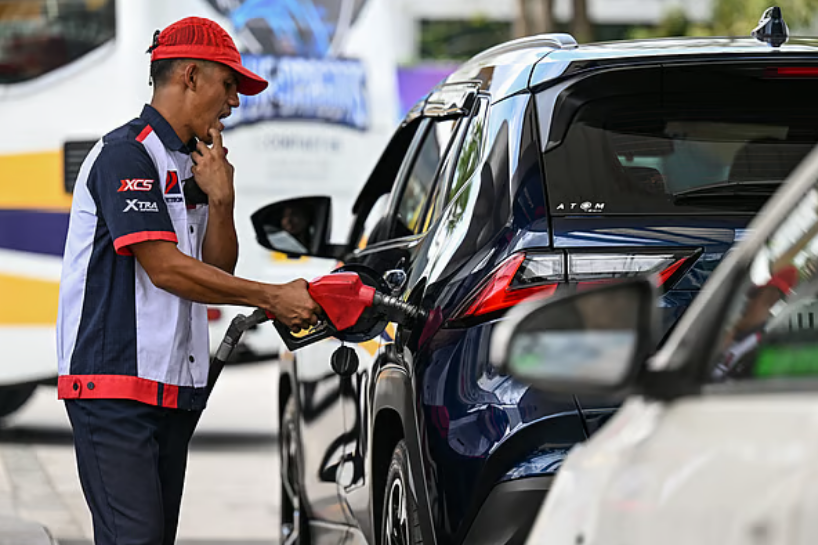
Long lines formed at petrol stations across the Philippines on Monday as motorists rushed to fill their tanks ahead of an expected increase in fuel prices driven by the ongoing US-Israeli war against Iran.
Energy Secretary Sharon Garin told a congressional committee that fuel prices would increase between 17 and 24 pesos per litre this week, equivalent to roughly 29 to 40 US cents. The rise follows a sharp jump in global oil prices amid concerns that supplies from the Middle East could be disrupted.
Garin said the increase would not be applied all at once. Instead, several fuel companies have agreed to spread the adjustments over several days to reduce the immediate impact on consumers.
“Some companies have volunteered not to impose the increase in one day. They’re staggered over three days or five days, depending on the company,” Garin said during a televised interview.
She noted that fuel prices in the country are not regulated by the government, meaning companies are allowed to set prices provided they notify authorities and justify the changes.
The anticipated increase prompted many drivers to refuel early. At a petrol station in Metro Manila, motorcycles, taxis and private vehicles queued under intense heat as motorists waited to fill their tanks before prices climbed.
Enrico Guda, a 31-year-old attendant at the station, said demand had surged sharply. The number of vehicles served each day had doubled to around 1,000.
“The line started 24 hours ago. Morning, afternoon, even at dawn,” he said.
Motorists said the expected price jump would place additional pressure on household budgets already strained by rising living costs.
Francis Aranda, a 25-year-old university student, said the increase would affect how he manages his weekly fuel allowance.
“The spike hurts,” he said. “I’m planning to use half my fuel allowance now so I won’t have to worry in the coming days in case the war in Iran continues.”
Authorities have warned fuel retailers against hoarding or profiteering during the price surge. Philippine National Police spokesman Brigadier General Randulf Tuano said officers had been ordered to inspect petrol stations and gather evidence of any violations.
The rising cost of fuel is also affecting transportation across the archipelago nation of about 116 million people. Ferry operators, which carry tens of thousands of passengers each day, have begun announcing fare increases.
Starlite Ferries said passenger and cargo fares would rise by 25 percent starting Tuesday. Montenegro Shipping Lines, which operates a fleet of 48 vessels, said it would raise prices between 10 and 20 percent beginning March 23.
President Ferdinand Marcos last week responded to the surge in oil prices by announcing a four-day work week for non-essential government employees. Government agencies were also ordered to cut fuel and electricity consumption by 10 to 20 percent.
Marcos has also asked Congress for authority to reduce excise taxes on petroleum products if global oil prices exceed $80 per barrel. Both Brent crude and West Texas Intermediate are currently trading above $110 per barrel, increasing pressure on fuel-importing economies like the Philippines.