Nearly a tenth of India’s exports to the United States, worth about $8.3 billion (Dh30.47 billion), will continue to face higher tariffs of 25 per cent or more, despite the recent India-US trade deal coming into force, according to financial news platform Moneycontrol.
While the agreement lowers reciprocal tariffs between the two countries to 18 per cent, duties imposed under Section 232 of the Trade Expansion Act of 1962 remain unaffected. These tariffs cover products considered strategically sensitive, including steel, aluminium, automobiles, timber, copper, and certain machinery, which have historically faced protectionist measures in the US.
Citing data from the UN Comtrade database, Moneycontrol reported that India exported $8.3 billion worth of goods subject to Section 232 duties in 2024, representing 10.4 per cent of India’s total $80 billion exports to the US. Automobiles form the largest single category, with shipments worth $3.9 billion falling under the national security tariff. Steel exports totaled $2.5 billion, while aluminium shipments were nearly $800 million. Combined, these three categories account for over 85 per cent of Indian exports exposed to Section 232 duties. Other products affected include timber, copper, and industrial vehicles.
Industry bodies have voiced concerns over the trade deal’s limited impact. The Aluminium Extrusion Manufacturers Association of India (ALEMAI) noted that the agreement will benefit only select sectors, pointing out that aluminium, iron, and steel products will continue to face tariffs as high as 50 per cent in the US.
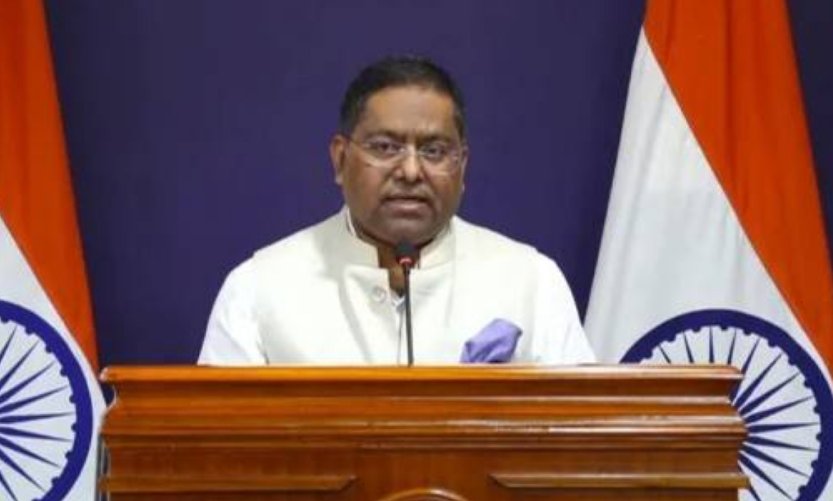
The Global Trade Research Initiative (GTRI) has also urged caution. Ajay Srivastava, founder of GTRI, emphasized on social media that “caution, not celebration, is warranted.” He highlighted that Section 232 duties on steel, aluminium, copper, and similar goods will persist, along with a 25 per cent tariff on certain auto components.
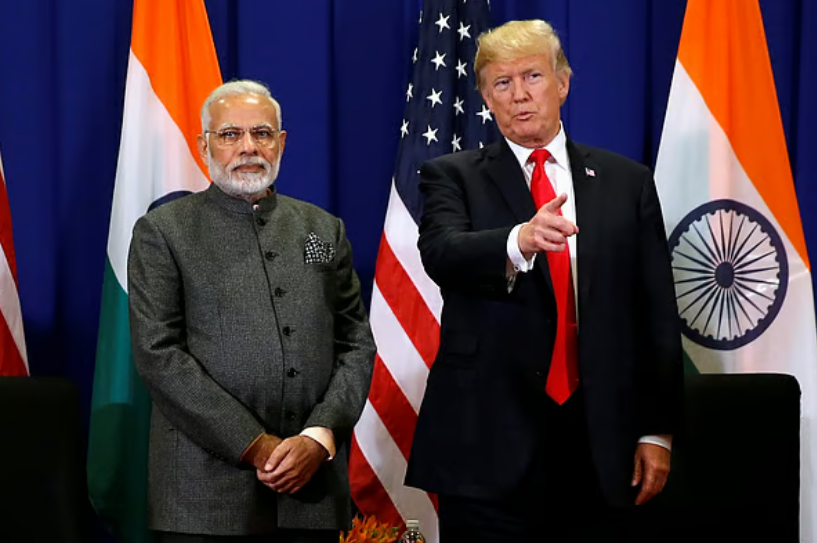
Srivastava also addressed claims made by former US President Donald Trump that India would purchase over $500 billion worth of American goods under the trade agreement. He pointed out that India’s current imports of merchandise and energy from the US are below $50 billion. “Reaching $500 billion would likely require more than 20 years, suggesting the figure refers to a long-term aspiration rather than a near-term commitment,” he said.
The trade deal represents a step toward closer economic engagement between India and the US, but analysts caution that substantial segments of Indian exports remain vulnerable to high tariffs, which could limit the agreement’s immediate benefits.