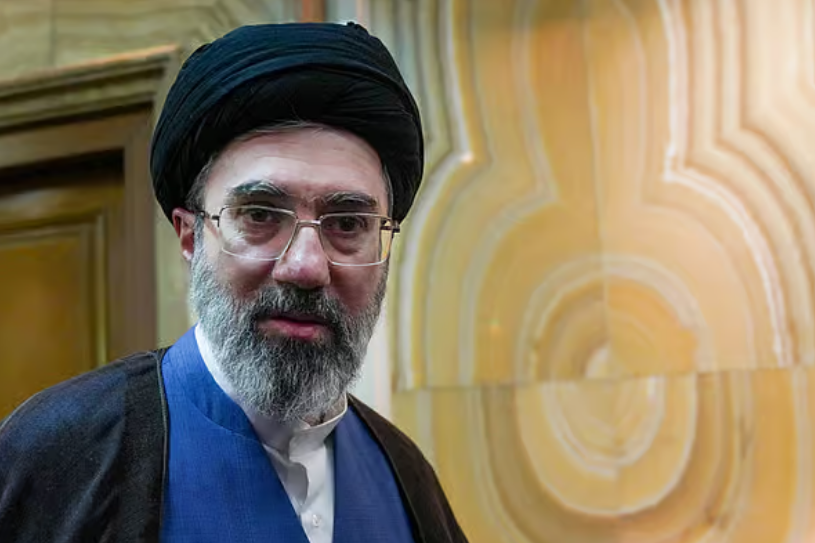
Iran’s newly appointed supreme leader, Mojtaba Khamenei, is recovering from serious injuries sustained in an airstrike earlier this year, according to people familiar with his inner circle, as the country prepares for high-stakes negotiations with the United States.
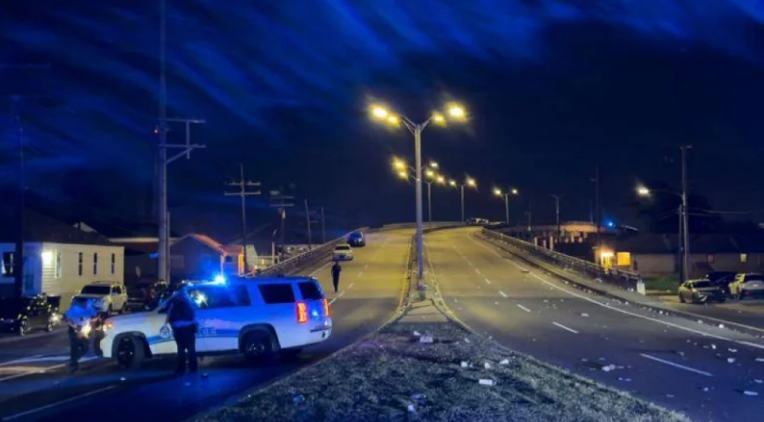
The 56-year-old leader was wounded in a strike on a compound in central Tehran at the start of the conflict on February 28. The attack killed his father and predecessor, Ali Khamenei, along with several family members.
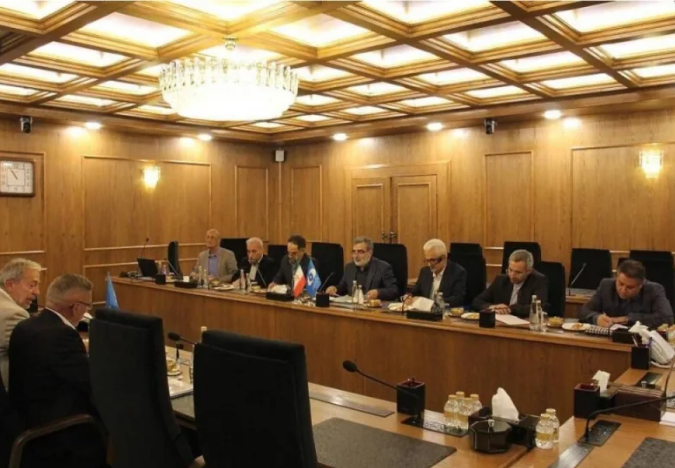
Sources close to the leadership say Mojtaba Khamenei suffered significant facial injuries and damage to his legs, with one account suggesting he may have lost a limb. Despite this, they describe him as mentally alert and actively involved in governing the country. He is said to be participating in meetings with senior officials through audio links and contributing to decisions on both the war effort and diplomatic engagement.
His condition remains largely unclear to the public. No images, video or audio recordings of him have been released since the attack or his appointment as supreme leader on March 8. Iran’s mission to the United Nations has not responded to questions regarding his health or absence from public view.
The lack of official updates has fueled uncertainty at a critical moment for Iran. Talks aimed at securing a ceasefire and easing tensions are due to begin in Islamabad, placing the country’s leadership under intense scrutiny. Analysts say the question of Khamenei’s ability to exercise authority comes at one of the most challenging periods in Iran’s recent history.
Comments from US officials have added to the speculation. Defence Secretary Pete Hegseth said last month that the Iranian leader had been wounded and possibly disfigured. A source familiar with US intelligence assessments also indicated he may have suffered the loss of a leg, though agencies have not confirmed these claims publicly.
Experts suggest that even if his recovery continues, consolidating power may take time. Alex Vatanka of the Middle East Institute said the new leader is unlikely to immediately command the same authority as his father, who ruled Iran for more than three decades. He noted that while Mojtaba Khamenei represents continuity within the system, his influence will depend on how he navigates internal dynamics and external pressures.
People familiar with the leadership indicated that images of the supreme leader could be released within the coming months, and a public appearance may follow once his health and security conditions permit. Until then, his absence from public view continues to raise questions about leadership stability as Iran enters a decisive phase in both conflict and diplomacy.