The United States embassy in New Delhi announced on Thursday that it has revoked or denied visas for several Indian business executives and corporate leaders, citing their alleged involvement in trafficking chemicals used to manufacture fentanyl.
In a statement, the embassy confirmed that the action was taken against individuals linked to the trade of fentanyl precursors—basic or parent chemicals that form the foundation for producing fentanyl. Fentanyl, a powerful synthetic opioid, has been at the center of the U.S. drug crisis, which has claimed tens of thousands of lives annually.
The embassy did not disclose the names of those targeted by the visa restrictions, nor did it specify the scale of their alleged involvement. The statement emphasized that Washington views the trafficking of fentanyl and its precursors as a serious threat to public health and national security, and it reiterated the United States’ commitment to curbing the global supply chain that enables the drug trade.
“This action underscores our determination to hold accountable individuals who contribute to the fentanyl epidemic in the United States,” the statement read. It added that the move aligns with broader U.S. efforts to prevent foreign actors from accessing the American financial system and market opportunities if they are found to be complicit in narcotics trafficking.
India is one of the world’s largest producers of pharmaceuticals and chemical intermediates, and while most production is legitimate, U.S. officials have previously expressed concerns about the diversion of certain chemicals into illicit channels. Thursday’s announcement highlights the growing scrutiny placed on international supply networks that enable synthetic drug production.
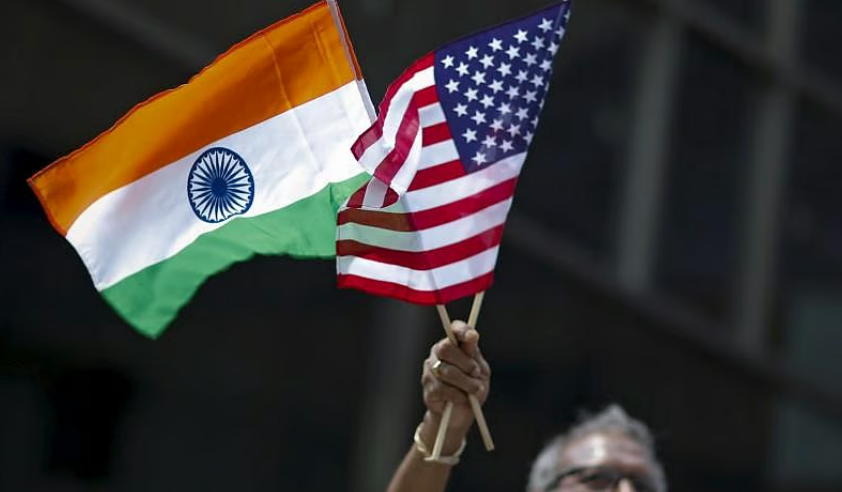
The decision to deny visas comes at a time when Washington and New Delhi are strengthening bilateral ties in technology, defense, and trade. While both governments have pledged to cooperate on counter-narcotics measures, the embassy’s announcement signals a tougher stance from the United States on actors believed to be undermining these commitments.
Analysts noted that the move could serve as a warning to companies and executives across the region that U.S. authorities are willing to impose consequences beyond its borders. “Visa restrictions are a strong diplomatic tool,” said one South Asia-based trade analyst. “They not only impact individuals’ ability to travel but also send a signal to the wider business community that links to illicit chemical trade will not be tolerated.”
The embassy did not indicate whether further actions are being planned but stressed that cooperation with Indian authorities remains central to disrupting the trafficking of fentanyl precursors.
Fentanyl remains a top priority for U.S. law enforcement, with officials warning that synthetic opioids continue to drive overdose deaths across the country. The embassy’s decision marks another step in Washington’s broader global campaign to disrupt the supply of illicit drugs at their source.