The United Nations High Commissioner for Refugees (UNHCR) has issued a stark warning that nearly 11.6 million refugees and displaced individuals may lose access to critical humanitarian support due to severe funding shortfalls caused by a sharp decline in foreign aid contributions.
Speaking at a press briefing on Wednesday, Dominique Hyde, UNHCR’s Director of External Relations, revealed that the agency has received only 23% of its $10.6 billion funding requirement for 2025. The shortfall, she said, threatens one-third of the refugees currently receiving assistance through UNHCR programmes.
“The funding situation is critical,” Hyde told reporters. “We fear that up to 11.6 million refugees and forcibly displaced persons may lose access to the humanitarian assistance we provide.”
The crisis has been driven by a significant pullback in foreign aid from major donors including Sweden, France, and Japan, alongside steep reductions in support from the United States, traditionally one of the largest backers of international humanitarian efforts.
As a result, UNHCR has already been forced to suspend or significantly scale back humanitarian programmes worth $1.4 billion globally. In practical terms, this has meant a 60% cut in emergency relief supplies in high-need regions such as Sudan, Chad, and Afghanistan.
Among the essential services now facing disruption or closure are healthcare, education, shelter provision, nutrition programmes, and protection services for vulnerable populations.
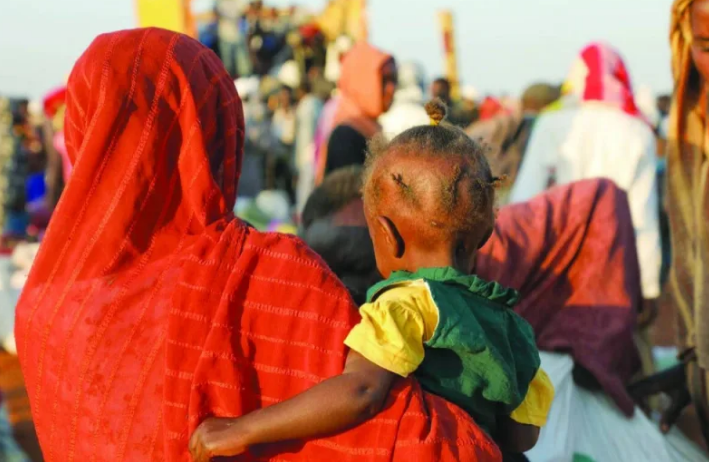
“This is not just about numbers,” Hyde said. “These are real people—families, children, the elderly—who depend on this aid to survive. We’re talking about vaccines, school supplies, clean water, and shelter being taken away.”
The UNHCR is now calling on the international community to urgently recommit to supporting displaced populations, warning that the failure to act could deepen already fragile humanitarian crises and spark further instability in several regions.
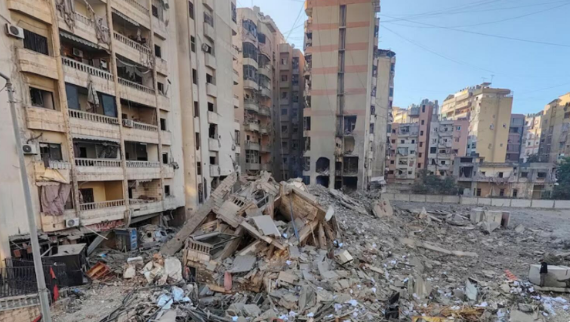
The appeal comes at a time when global humanitarian needs are surging, with ongoing conflicts in Sudan, Gaza, and Ukraine adding to the burden on international agencies.
Hyde emphasized that without renewed support, the consequences could be dire: “We risk reversing decades of progress in refugee protection and humanitarian response.”
With more than 114 million people forcibly displaced worldwide, according to recent UN data, the funding gap poses one of the most significant threats to global refugee assistance in years.