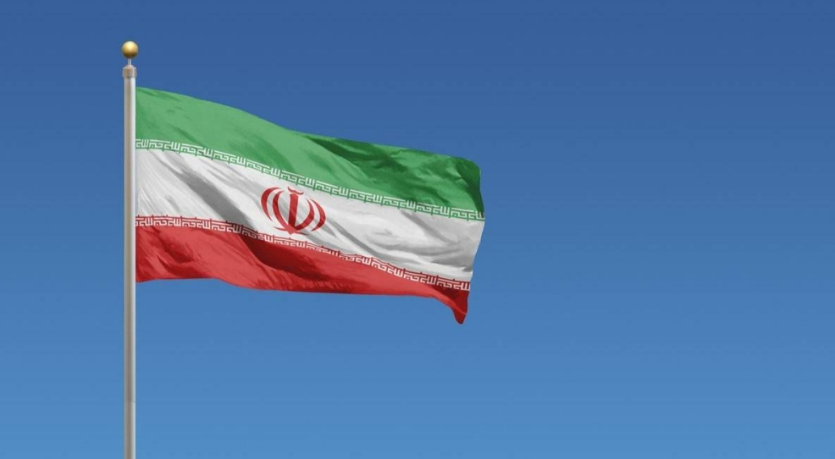
All United Nations sanctions on Iran are set to be reimposed at midnight GMT after the UK, France, and Germany formally activated the dispute resolution mechanism of the 2015 nuclear deal, in a move that has deepened divisions among global powers and raised the stakes for Tehran’s nuclear program.
The three European powers, known collectively as the “E3,” initiated the mechanism under the Joint Comprehensive Plan of Action (JCPOA), paving the way for the automatic restoration of punitive measures previously lifted in exchange for limits on Iran’s nuclear activities.
The decision followed the failure of a Russian-Chinese draft resolution at the UN Security Council that sought to delay the snapback of sanctions for six months. The resolution did not secure enough votes, triggering the automatic process by which sanctions linked to the JCPOA are reinstated.
Iran has condemned the European move, accusing the E3 of bowing to U.S. pressure. Tehran argues that the current crisis stems from Washington’s unilateral withdrawal from the JCPOA in 2018 under then-President Donald Trump, a step that Iran says undermined the agreement. Iranian officials maintain they remain committed to the deal’s framework but insist that sanctions must first be lifted before meaningful dialogue can resume.
Recent reports by the International Atomic Energy Agency (IAEA) confirmed that Iran’s nuclear program remains under monitoring. A new agreement between Tehran and the agency was struck in Cairo earlier this month, signaling continued technical engagement despite the escalating political standoff.
Iran’s top security official, Ali Larijani, revealed in an interview with PBS that Tehran had submitted proposals to the E3 in an effort to prevent activation of the snapback mechanism. He warned, however, that if sanctions return, Iran will retaliate by suspending cooperation with the IAEA in line with legislation passed by its parliament.
The reimposition of sanctions is expected to have wide-reaching consequences, reactivating measures that restrict Iran’s trade, arms imports, and access to the global financial system. European officials argue the step was necessary due to Iran’s breaches of the nuclear accord, allegations that Tehran firmly rejects.
Iran has long insisted its nuclear program is peaceful, though Western powers remain concerned about enrichment activities and stockpile levels. The snapback decision risks further destabilizing already strained relations between Iran and the West while complicating efforts to revive diplomacy around the JCPOA.
As the deadline looms, the crisis underscores the fragile state of the international nuclear framework and highlights the widening gulf between Western nations, Russia, and China over how best to address Iran’s nuclear ambitions.