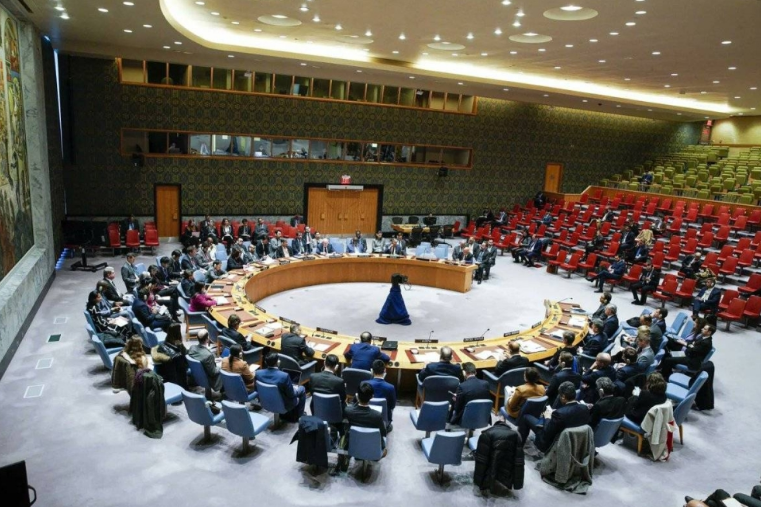
The United Nations Security Council has voted to extend the mandate of the United Nations Support Mission in Libya (UNSMIL) for another year, keeping the mission in place until October 31, 2026. The decision comes as Libya continues to struggle with political divisions and delayed preparations for long-awaited national elections.
Since August, UNSMIL has been working on a 12- to 18-month roadmap intended to pave the way for presidential and parliamentary elections. The plan aimed to resolve key political disputes and create conditions for a unified government capable of overseeing credible polls. However, the mission failed to meet its first major milestone, which was due for completion in October.
According to the roadmap, the first two months were meant to focus on three critical steps: restructuring Libya’s High National Elections Commission, reaching an agreement between the House of Representatives and the High State Council on electoral laws, and beginning the process of forming a unified national government. None of these goals have yet been achieved, reflecting the continuing challenges of reconciling rival political factions.
Libya has been divided between competing administrations in the east and west since the fall of Muammar Gaddafi in 2011. Efforts to unify the country and hold national elections have repeatedly stalled amid disputes over the legal framework for voting, questions about candidate eligibility, and concerns about security conditions.
UNSMIL’s extended mandate will allow it to continue mediating between Libya’s rival political institutions, supporting national reconciliation efforts, and helping to prepare the technical groundwork for elections. The mission is also tasked with promoting human rights, maintaining stability, and coordinating with international partners on economic and security reforms.
Diplomats at the United Nations have emphasized the importance of holding elections as soon as possible to restore legitimacy to Libya’s political institutions. “The Libyan people have waited too long for a unified, elected government,” one Security Council member said following the vote.
Despite the renewed commitment, observers warn that without tangible progress on political agreements, the roadmap risks losing credibility. With tensions still simmering between rival factions and uncertainty surrounding the electoral process, Libya’s path to democracy remains fraught with obstacles.
The Security Council’s decision underscores the international community’s continued engagement in Libya, but it also highlights the slow pace of progress toward a political settlement more than a decade after the country’s conflict began.