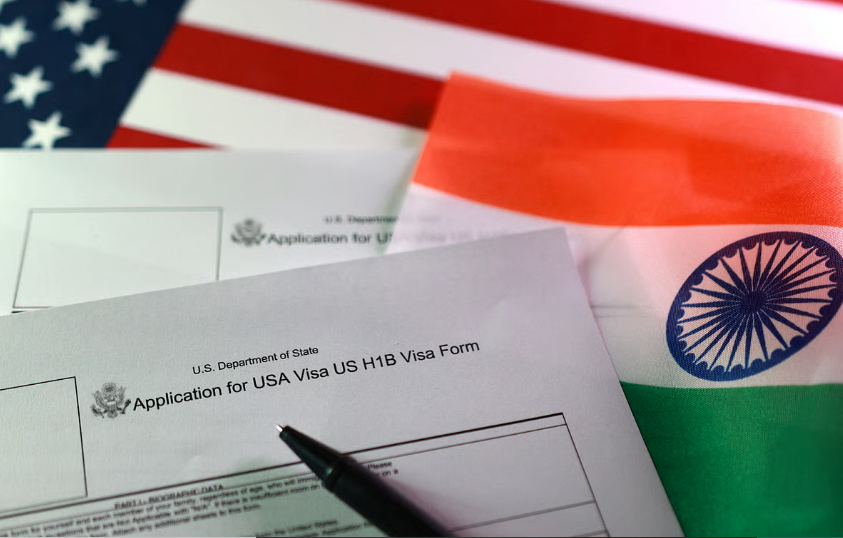
The Trump administration’s proposal to sharply raise fees for H-1B visas has triggered alarm among U.S. healthcare organizations, which warn the move could exacerbate staffing shortages at hospitals and clinics nationwide.
The Department of Homeland Security is reviewing policy changes that would increase the cost of applying for an H-1B visa to as much as $100,000, up from the current top fee of $4,500. The program, which enables U.S. employers to hire foreign workers in specialty fields such as technology, engineering, medicine, and academia, has long served as a lifeline for the healthcare sector.
International medical graduates, who rely heavily on the H-1B system, make up more than 20% of practicing family physicians in the U.S. and are more likely to work in rural areas, according to the American Academy of Family Physicians (AAFP). The group stressed that a dramatic fee hike could worsen access to care for millions of Americans.
“Nearly 21 million Americans live in regions where foreign-trained physicians account for at least half of the available doctors,” the AAFP said in a statement, warning that higher visa costs could make recruitment impossible for many facilities.
Data from U.S. Citizenship and Immigration Services shows that in fiscal year 2025, about 442,000 unique H-1B visa beneficiaries were approved across all industries. Within healthcare and social assistance, 5,640 petitions were granted.
The American Medical Association (AMA) cautioned that the proposed fee hike could effectively shut off the pipeline of international physicians, just as the U.S. faces an intensifying workforce shortage.
“With the U.S. already facing a shortage of doctors, making it harder for international medical graduates to train and practice here means patients will wait longer and drive farther to get care,” said AMA President Bobby Mukkamala.
Hospitals are particularly concerned about the impact. The American Hospital Association (AHA) underscored that many facilities depend on H-1B visas to fill immediate staffing needs. “The H-1B visa program plays a critical role in allowing hospitals to recruit highly skilled physicians and other healthcare professionals to ensure access to care for communities and patients,” an AHA spokesperson said. The group is urging the administration to exempt healthcare personnel from the increase.
Major hospital systems including OhioHealth, Cleveland Clinic, Cedars-Sinai, and Mass General Brigham told Reuters they are evaluating how the changes could affect their operations. For institutions still grappling with staff shortages following the COVID-19 pandemic, higher visa costs could mean fewer specialists and heavier workloads for U.S.-trained doctors.
The Association of American Medical Colleges has forecast a nationwide shortfall of 13,500 to 86,000 physicians by 2036 as demand for care outpaces supply. Healthcare leaders argue that raising visa costs to unprecedented levels could make an already severe problem unmanageable.