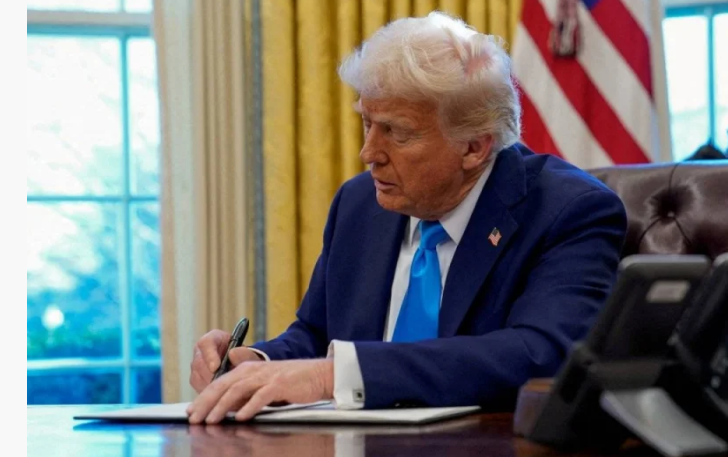
The White House announced Wednesday that U.S. President Donald Trump has signed an executive order imposing an additional 40% tariff on Brazilian imports, raising the total tariff burden on the country to 50%. The move marks a significant escalation in trade tensions between the two countries.
According to an official statement, the decision was driven by recent policy decisions made by the Brazilian government that the Trump administration deems “unacceptable.” While the statement did not specify the exact measures that prompted the response, the administration made clear that it views the new tariffs as a necessary step to protect U.S. economic and strategic interests.
In addition to the tariffs on Brazil, the president also signed a separate declaration targeting copper imports. Beginning August 1, the U.S. will impose a 50% tariff on semi-manufactured copper products and copper-intensive derivatives, citing national security concerns.
“The President is committed to protecting American industries and safeguarding national interests,” the White House said, adding that the new measures reflect Washington’s growing concerns about supply chain vulnerabilities in key industrial sectors.
The announcement comes amid rising trade friction between the U.S. and Brazil. Earlier this month, the Brazilian government said it was reviewing a range of retaliatory options in response to earlier sanctions, including a possible restriction on dividend payments by U.S. companies operating in Brazil. Such a move could significantly impact major American firms with local subsidiaries.
Brazil, one of the largest economies in Latin America, has yet to issue a formal response to the latest round of U.S. tariffs. However, officials in Brasília previously warned that continued trade pressure from Washington could force the country to re-evaluate its broader diplomatic and economic relationship with the United States.
The copper tariff is expected to affect a wide range of industries, including construction, automotive manufacturing, and electronics, where copper is a critical input. Analysts have warned that the new duties could lead to higher prices for consumers and increased production costs for American businesses.
Wednesday’s announcement marks another chapter in President Trump’s broader trade policy strategy, which has involved reworking existing trade deals and using tariffs as leverage to secure more favorable terms for U.S. industries. Whether Brazil will take reciprocal action remains to be seen, but the potential for a broader trade dispute now appears more likely.