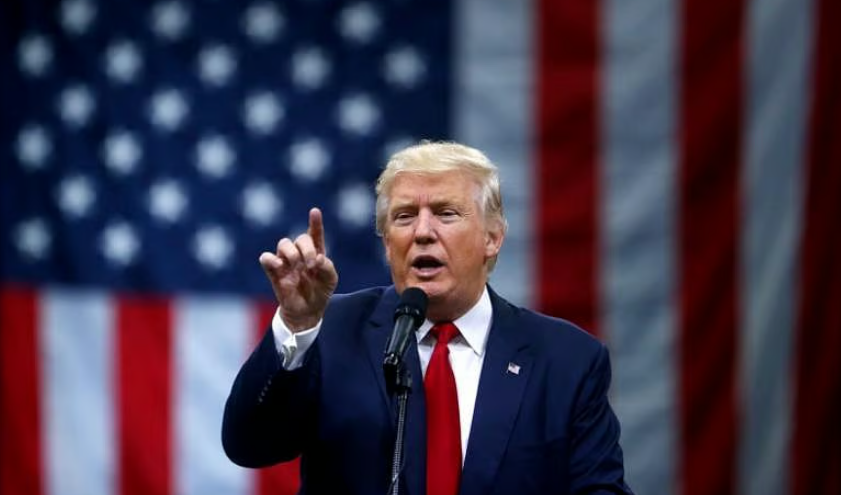
Former U.S. President Donald Trump has filed a sweeping defamation lawsuit against the New York Times, four of its reporters, and publishing house Penguin Random House, seeking at least $15 billion in damages. The case, lodged in a Florida court on Monday, accuses the newspaper and publisher of libel and defamation, which Trump claims have caused “severe reputational harm.”
The suit highlights several articles published by the New York Times, including an editorial written ahead of the 2024 presidential election. That editorial argued that Trump was unfit to return to the White House, language the former president’s lawyers contend was malicious, false, and designed to damage his standing among voters.
In addition to the Times, Trump is also targeting Penguin Random House over its 2024 release Lucky Loser: How Donald Trump Squandered His Father’s Fortune and Created the Illusion of Success. The book portrays Trump as a businessman who relied heavily on his father’s wealth and repeatedly exaggerated his financial success. Trump’s attorneys allege that the book “fabricates history” and unfairly characterizes his career in ways intended to undermine his credibility and legacy.
The lawsuit claims that both the articles and the book form part of a broader effort to “delegitimize Trump’s political career and personal brand” as he remains an active figure in U.S. politics. Trump’s legal team said the defendants “knowingly spread falsehoods” to sway public opinion and harm his future political prospects.
Neither the New York Times nor Penguin Random House has yet publicly responded to the lawsuit. However, both organizations have a long history of defending themselves vigorously against defamation claims, often citing protections under the First Amendment, which grants broad leeway to news organizations and publishers to comment on public figures.
Trump has frequently clashed with media outlets throughout his political career, often accusing them of “fake news” and bias. He has previously pursued lawsuits against media organizations, though such cases face high legal hurdles in the U.S., where public figures must prove not only that statements were false, but also that they were made with “actual malice.”
The lawsuit comes as Trump continues to exert influence over Republican politics, with allies suggesting he may play a key role in shaping the party’s platform ahead of the next presidential race. The outcome of this legal battle could have significant implications, both for Trump’s ongoing efforts to reshape his public image and for the media organizations that have long scrutinized his business record and political career.