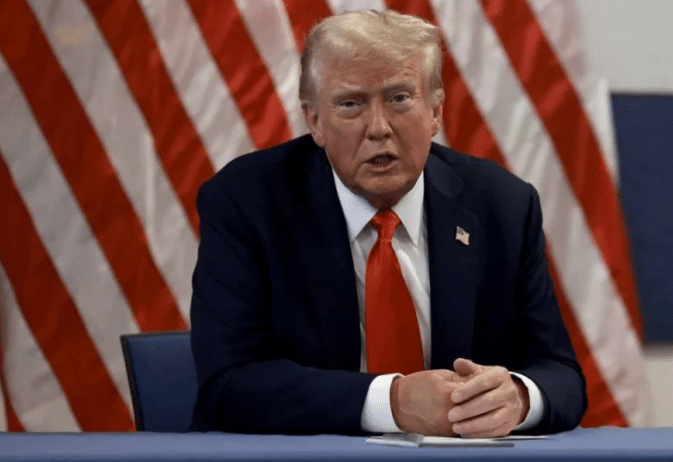
U.S. President Donald Trump has announced sweeping new tariffs on Canadian imports, escalating a growing trade dispute between the two North American allies. In a statement released via his Truth Social platform on Wednesday, Trump confirmed that a 35% tariff will be imposed on all goods entering the U.S. from Canada, effective August 1.
The move comes in retaliation to recent Canadian tariffs on American products, which Trump criticized as unjustified. In an open letter addressed to Canadian Prime Minister Mark Carney, Trump wrote: “Starting August 1, 2025, we will charge Canada a tariff of 35 percent on Canadian products sent into the United States, separate from all Sectoral Tariffs. Instead of working with the United States, Canada retaliated with its own Tariffs.”
Trump added that the tariffs could be adjusted depending on future developments in U.S.-Canada trade negotiations, but gave no indication of ongoing talks to defuse the standoff.
The new blanket tariff is in addition to existing duties on Canadian steel, aluminum, and automobile exports—industries critical to Canada’s economy and key drivers of cross-border trade. The United States is Canada’s largest trading partner, and the imposition of broad-based tariffs is expected to reverberate through both economies.
In his post, Trump also revealed that similar letters had been sent to over 20 U.S. trade partners in recent days, warning of impending tariff hikes. The European Union is among those expected to receive formal notice in the near future.
“Not everybody has to get a letter,” Trump said. “We’re just setting our tariffs… whether it’s 20 percent or 15 percent. We’ll work that out now.”
The move signals a dramatic turn in U.S. trade policy, with Trump doubling down on tariffs as a central tool in his push to protect American manufacturing and reduce trade deficits. His administration has already proposed 50% tariffs on copper imports and new duties on goods from Japan and South Korea.
Canadian officials reacted with alarm to the latest announcement, warning of serious disruption to the highly integrated North American supply chain. “These tariffs threaten thousands of jobs on both sides of the border,” one senior trade official said. “We are evaluating all options, including reciprocal measures.”
International markets responded cautiously, with investors watching for signs of further trade escalations. Analysts say the broad application of tariffs could trigger retaliatory moves and strain long-standing economic alliances.
As Trump sharpens his protectionist agenda, global trade partners are bracing for what could be a turbulent new chapter in U.S. economic diplomacy.