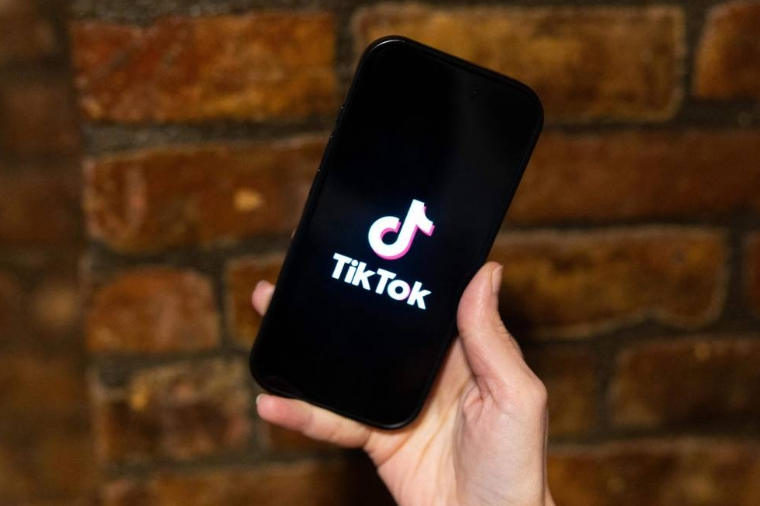
TikTok has announced it will fully comply with Australia’s upcoming ban preventing children under 16 from creating or holding social media accounts, acknowledging that the changes “may be upsetting” for young users. The new law, which takes effect on December 10, is the first of its kind globally and places strict requirements on major platforms including TikTok, Instagram, and YouTube.
Under the legislation, social media companies must take “reasonable steps” to block under-16s from accessing their services. Failure to comply could lead to fines of up to A$49.5 million (US$32 million). TikTok confirmed that starting December 10, Australian users under 16 will be barred from holding or creating accounts. Existing accounts belonging to underage users will be deactivated.
“Teens with an existing account will be notified that they will no longer be able to use their existing account, which will become inactive,” the company said. Content previously posted by those users will also be removed from public view.
TikTok said affected teens will be able to appeal the block by providing proof of age through facial verification, credit card authorisation, or official identification. The company acknowledged the disruption this will cause but stressed its obligation to follow the law. Young users will be able to choose between confirming their age, downloading their data, deleting their account, or requesting a reminder to restore their account once they turn 16.
Parents were encouraged by the platform to discuss the changes with their children and reinforce the importance of accurate age information.
The incoming ban has sparked strong debate across Australia. Communications Minister Anika Wells said evidence had shown that some teenagers had taken their own lives after being targeted by harmful content amplified by social media algorithms. She said the new age restrictions were intended to limit exposure to damaging material. “This specific law will not fix every harm occurring on the internet, but it will make it easier for kids to chase a better version of themselves,” she told reporters last week.
Opposition has emerged from digital rights advocates. The Digital Freedom Project confirmed it has filed a legal challenge in the High Court, arguing the law is an “unfair” restriction on freedom of expression and risks creating unintended consequences for young people who use social platforms for education, creativity, and social interaction.
Australia’s move is being closely watched internationally as other countries consider their own approaches to children’s online safety. Malaysia has indicated it plans to introduce a similar age limit in 2025, while New Zealand is preparing its own under-16 ban.
The implementation of Australia’s law marks a major shift in global platform regulation, placing renewed pressure on tech companies to verify users’ ages and limit access for younger audiences.