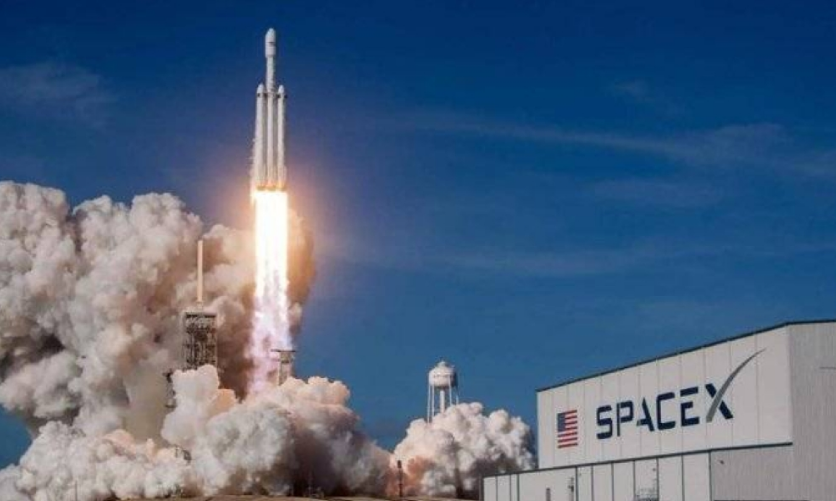
SpaceX carried out a rare dual-launch operation this week, sending two Falcon 9 rockets into orbit within the same launch window to deliver a combined 58 Starlink satellites. The closely timed missions highlight the company’s growing pace of activity as it accelerates efforts to strengthen its global broadband network.
The first Falcon 9 lifted off from NASA’s Kennedy Space Center in Florida, carrying 29 satellites bound for low Earth orbit. After separation, the rocket’s first-stage booster returned to Earth and touched down on a drone ship stationed in the Atlantic Ocean, completing the landing approximately eight and a half minutes after liftoff. The recovery marked another addition to SpaceX’s growing tally of booster reuses, a key component of its push to lower launch costs.
Soon after that flight, a second Falcon 9 launched with another set of 29 satellites. Its booster also executed a precise drone-ship landing, while the upper stage released the satellites on time, according to the company. Completing two missions in such rapid succession is uncommon even for SpaceX, which already leads the global launch market by a wide margin.
The dual operation contributes to ongoing expansion of the Starlink constellation, which consists of thousands of satellites that beam Internet service to customers in dozens of countries. SpaceX says the programme aims to build a resilient global communications system capable of serving remote communities, maritime operators, aviation customers and other users who lack access to traditional broadband networks.
This week’s launches add to what the company describes as a record-setting year for Falcon 9 activity. Executives have pointed to quicker refurbishment processes and refined launch procedures as the primary reasons behind the shorter turnaround time between missions. The company has also been ramping up its launch cadence in preparation for larger satellite batches planned for next-generation services.
With each deployment, SpaceX reinforces its position as the dominant force in commercial spaceflight. The Falcon 9 has flown more frequently than any other operational rocket in the world, supported by the reliability of its reusable boosters and the steady demand for satellite launches. Starlink missions account for a significant share of the company’s manifest, giving SpaceX full control over both payload and launch schedule.
The latest missions also come as the company continues to expand Starlink coverage into new markets, including regions where connectivity has traditionally been limited. While regulators in some countries continue to review or restrict access, demand has risen sharply across areas already served by the network.
SpaceX said this week’s achievements reflect ongoing progress toward scaling its satellite fleet and meeting rising global broadband needs. The company is expected to conduct several additional Starlink launches in the coming weeks as it pushes to maintain what it has described as its most active year to date.