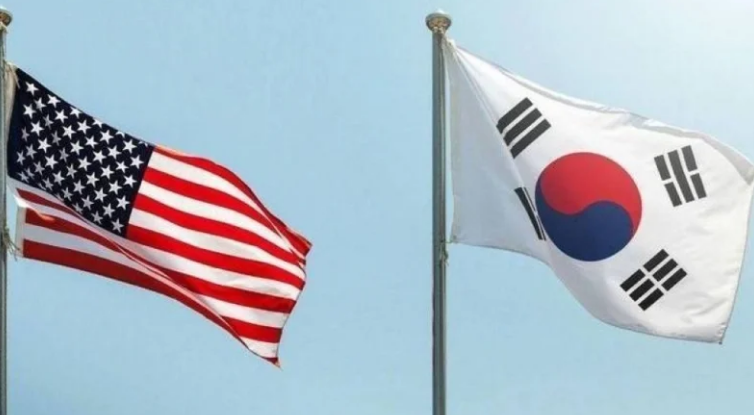
The South Korean government has announced plans to ramp up trade negotiations with the United States following a brief extension of the deadline for new tariffs on Korean imports. The move comes amid growing concern over the economic impact of the looming 25% duties proposed by Washington.
In a statement released on Monday, South Korea’s Ministry of Trade, Industry and Energy confirmed that talks would be intensified in the weeks ahead. The United States has extended the deadline for the implementation of the tariffs until August 1, giving both sides a narrow window to resolve the dispute.
The ministry said it aims to “accelerate negotiations” during this period to reach “mutually beneficial outcomes” and reduce the uncertainty facing exporters and manufacturers.
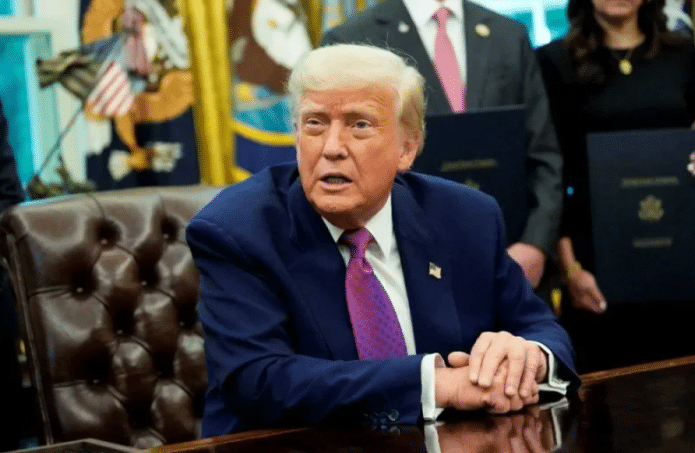
The latest development follows a formal letter sent by U.S. President Donald Trump to South Korean President Lee Jae-myung, notifying him of the decision to impose the tariffs starting next month. The duties are part of a broader trade strategy under the Trump administration aimed at reducing the U.S. trade deficit and encouraging domestic manufacturing.
While the specific list of affected goods has not been made public, the proposed tariffs are expected to target key South Korean exports such as steel, automobiles, and electronics—sectors that play a vital role in the country’s economy.
Officials in Seoul have expressed concern over the potential economic fallout and the impact on bilateral relations. South Korea has been pushing for exemptions or reductions in the planned tariff rates, citing the long-standing strategic alliance and existing free trade agreements between the two countries.
“Resolving this trade issue swiftly is crucial not only for South Korea’s economy but also for maintaining strong and stable ties with the United States,” a senior government official told local media.
Analysts say the extension provides a brief but critical opportunity for diplomacy, though challenges remain. “The U.S. administration’s trade agenda is increasingly unpredictable,” said Professor Kim Tae-ho of Yonsei University. “South Korea will need to carefully balance economic interests with its strategic partnership with Washington.”
The next few weeks are expected to see intense negotiations as Seoul seeks to avoid another escalation in trade tensions. Meanwhile, businesses in both countries are bracing for potential disruptions should the tariffs go into effect on August 1.