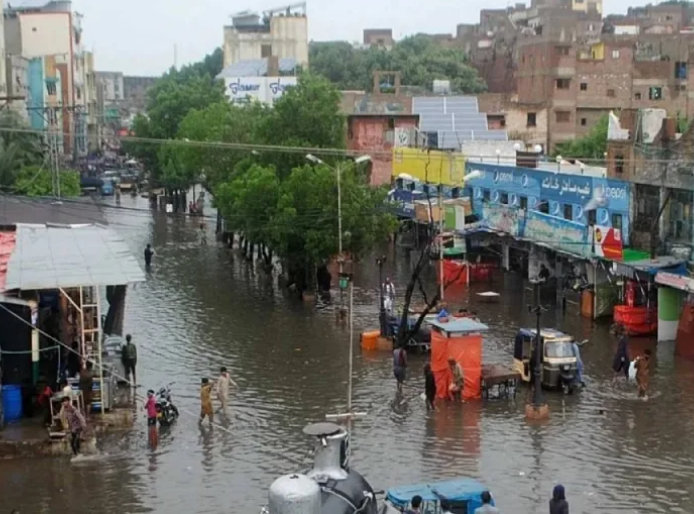
Pakistan is reeling from weeks of torrential rains and flash floods that have claimed nearly 1,000 lives and left widespread destruction across the country, according to the latest figures released by the National Disaster Management Authority (NDMA).
Since June 26, at least 972 people have died in rain- and flood-related incidents, including 266 children, 547 men, and 159 women. A further 1,062 people have been injured. The deluge has also destroyed 8,481 homes, leaving thousands displaced and entire communities struggling to cope with the aftermath.
Officials said that while earlier counts placed the death toll at 910 and the number of damaged homes at 7,850, updated assessments confirmed the higher figures. The revised toll underscores the scale of the unfolding disaster and the mounting human cost.
The rains, described as some of the heaviest in recent years, have battered towns and villages, sweeping away houses, damaging infrastructure, and inundating agricultural land. Flash floods have particularly devastated rural communities, where makeshift homes stand little chance against surging waters. Rescue teams, supported by the army and local authorities, have been working around the clock to evacuate people from low-lying areas, though access to many regions remains severely hampered.
Authorities warn that the toll could rise further as rains continue in parts of the country and more reports emerge from remote districts. The NDMA has urged provincial governments and relief organizations to remain on high alert, emphasizing the urgent need for food supplies, temporary shelter, and medical assistance for survivors.
Children are among the most vulnerable, with hundreds already reported dead and many more at risk from waterborne diseases, malnutrition, and lack of access to clean drinking water. Aid agencies have raised concerns about the long-term impact on families who have lost not only their homes but also their livelihoods, as farmland and livestock have been washed away.
The devastation has renewed calls for stronger disaster preparedness and investment in resilient infrastructure, as climate change continues to intensify extreme weather events across South Asia. Pakistan, despite contributing less than one percent of global greenhouse gas emissions, has been among the countries hardest hit by climate-induced flooding in recent years.
As relief efforts continue, the scale of destruction is becoming clearer. For many affected families, the road to recovery will be long and uncertain, with immediate needs for shelter, clean water, and healthcare taking precedence over the daunting task of rebuilding homes and livelihoods.