A nationwide strike over government austerity measures brought Belgium to a standstill on Tuesday, grounding flights, halting public transport, and drawing tens of thousands of demonstrators to the streets of Brussels.
The strike, organized by major trade unions, was sparked by Prime Minister Bart De Wever’s plans to cut public spending and reform pensions as part of efforts to reduce the country’s ballooning budget deficit. Belgium’s deficit currently breaches European Union fiscal rules, prompting the government to seek around €10 billion ($12 billion) in savings.
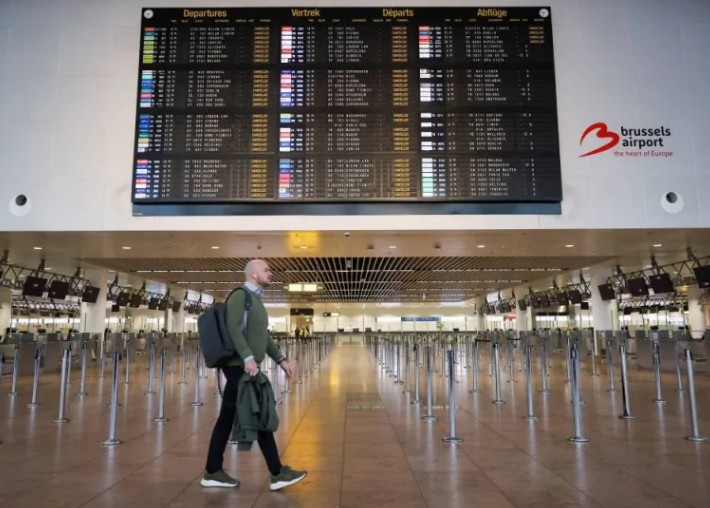
At Brussels Airport — the country’s largest — all departures were cancelled after security and ground staff walked off the job. Charleroi Airport, a key hub for Ryanair and other low-cost airlines, said it was unable to operate any flights due to staff shortages caused by the strike. Train, metro, tram, and bus services across the country were also disrupted, paralyzing transport networks and forcing commuters to find alternative routes.
“This government promised more sustainable jobs and increased purchasing power. Hot air!” Belgium’s Christian trade union CSC said in a statement. “Once again, everyone is paying — except the rich.” The group urged citizens to take to the streets in protest.
Unions expect tens of thousands of people to gather in Brussels on Wednesday for a mass rally, with police warning residents to avoid parts of the city centre and use private vehicles instead of public transport.
The strike is the latest in a series of walkouts since De Wever — a Flemish nationalist leader — took office in February following months of coalition negotiations after last year’s federal elections. His government’s reform plans include limiting early retirement, freezing automatic wage indexation, and introducing changes to Belgium’s pension system — all of which have provoked fierce resistance from labour groups.
The timing of the protest further complicates matters for the ruling coalition, which failed to agree on a new budget on Monday. As a result, De Wever was forced to postpone a major policy address to parliament scheduled for Tuesday.
Analysts say the unrest underscores growing public frustration with the government’s fiscal strategy, which aims to balance deep spending cuts with new commitments to increase defence expenditure under NATO’s rearmament goals.
For now, the strike has dealt a significant blow to the country’s already fragile economy and added political pressure on De Wever’s administration to find a compromise.