As images of bombed-out buildings, grieving families, and fractured communities flash across news feeds, a very different kind of response is emerging from the younger generation: memes.
For many in Gen Z and Gen Alpha, social media has become not just a source of information, but a refuge — a place where humour, even of the darkest kind, offers a way to process relentless global turmoil. From the war in Gaza to tensions in Eastern Europe and the Middle East, young people are turning to irony and satire not to trivialise suffering, but to survive it emotionally.
“In a weird way, we’re just trying to make sense of the chaos,” said Noura, a 22-year-old Sudanese student living in Dubai. “If we don’t laugh about it, we’ll break down. And to be honest, sometimes we are laughing while we’re breaking down.”
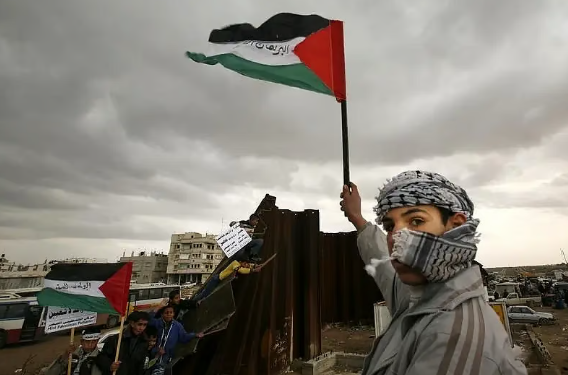
Her sentiment is echoed widely among digital natives. On platforms like TikTok, Instagram, and X (formerly Twitter), skits, memes, and sarcastic commentary flourish even during some of the darkest global moments. When the conflict between Israel and Iran escalated, users posted mock “draft announcements” and “end-of-the-world outfit checks.” In Gaza, young Palestinians have shared memes — often created in bomb shelters — that blend horror and humour in equal measure.
“This isn’t mockery,” said Rami, a 26-year-old content creator in the West Bank. “It’s how we tell the truth. Sometimes humour is the only way we can speak without being silenced — and the only way to stay sane.”
Psychologists say this instinct is far from apathy. Rather, it reflects a generation raised under constant emotional assault, with little control over the global events shaping their lives. Dr. Lina Farouk, a clinical psychologist in Abu Dhabi, explained: “These young people are absorbing news of war, climate collapse, economic instability, and mass violence every day. Humour becomes a form of self-defence against emotional burnout.”
While older generations might seek comfort in prayer, family, or silence, Gen Z and Alpha speak through memes — compressing grief, criticism, and resilience into 10-second videos or a few lines of satirical text.
Still, not everyone sees this digital response as harmless. Critics warn that memes risk trivialising human suffering and fostering desensitisation. But for many young people, the line between sincerity and satire is no longer clear-cut — and perhaps never was.
“A meme can grieve, mock, and comfort all at once,” said Dr. Farouk. “This is the emotional language of a generation that feels too much — and too often.”
As wars rage on and global headlines grow more alarming, it is clear that humour — even in its darkest form — has become a key coping tool for young people navigating an increasingly chaotic world.