The secretary of Iran’s top security body said he will visit Oman on Tuesday (February 10), as the Gulf sultanate mediates nuclear talks between the Islamic republic and the United States. The visit comes at a sensitive moment for regional diplomacy, following renewed contact between Tehran and Washington after months of heightened tensions.
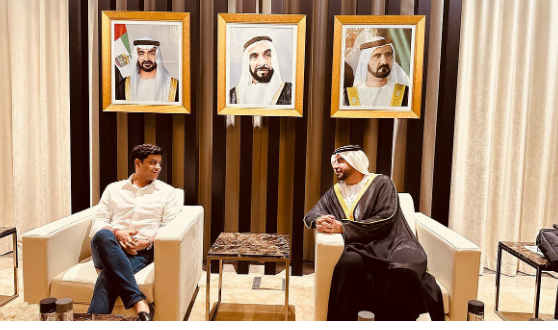
Ali Larijani, a senior political figure and secretary of Iran’s Supreme National Security Council, will lead a delegation to Muscat for talks with Omani officials, according to a statement published on his Telegram account on Monday. The statement said the delegation “will meet with senior officials of the Sultanate of Oman and discuss the latest regional and international developments, as well as bilateral cooperation at various levels.”
Oman has long played a quiet intermediary role between Iran and the United States, hosting back-channel discussions during previous periods of strained relations. Its diplomatic efforts have often been credited with helping prevent escalation and keeping lines of communication open during times of crisis.
The upcoming visit follows the resumption of dialogue between Iran and the United States in Oman on Friday, marking the first such talks since the 12-day Iran-Israel war last June. That conflict briefly drew in the US military, raising fears of a broader regional confrontation before a ceasefire took hold.
While details of the renewed discussions have not been made public, officials on both sides have signaled cautious interest in exploring ways to reduce tensions, particularly around Iran’s nuclear programme. Talks are understood to be indirect, with Omani officials acting as intermediaries rather than the two sides meeting face to face.
Larijani’s visit is expected to focus not only on the nuclear issue but also on wider regional concerns, including security in the Gulf, developments in Gaza, and stability in neighboring Iraq and Yemen. Oman maintains balanced relations with regional rivals and has often emphasized diplomacy and dialogue as tools to manage disputes.
Relations between Tehran and Washington have remained fraught since the United States withdrew from the 2015 nuclear agreement in 2018 and reimposed sweeping sanctions on Iran. Efforts to revive the deal have stalled repeatedly, while tensions have flared over Iran’s nuclear activities, regional influence, and attacks on shipping and military assets.
The recent conflict involving Israel added another layer of complexity, increasing international concern about the risk of miscalculation and escalation. Against that backdrop, Oman’s role as host to renewed talks has drawn renewed attention from diplomats and analysts.
Iranian officials have said any progress will depend on concrete steps by the United States, particularly regarding sanctions relief. US officials, meanwhile, have stressed the need for assurances about the peaceful nature of Iran’s nuclear programme.
Larijani’s discussions in Muscat are likely to be closely watched for signs of momentum, even as expectations for a rapid breakthrough remain cautious.