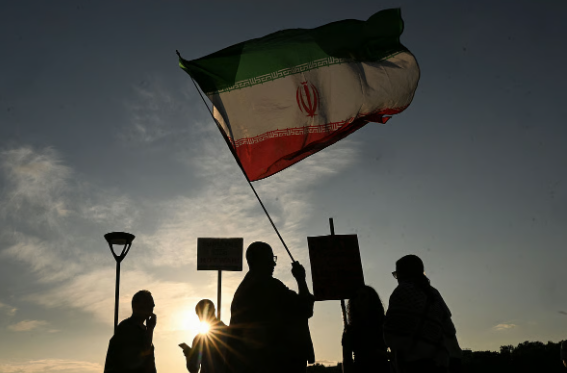
Iranian President Masoud Pezeshkian has enacted a law suspending the country’s cooperation with the International Atomic Energy Agency (IAEA), marking a significant escalation in Iran’s nuclear policy and its standoff with Western powers. The move follows a parliamentary bill passed last month and ratified by Iran’s Guardian Council.
State media reported on Wednesday that President Pezeshkian signed the legislation into effect, aligning with recent comments by Foreign Minister Abbas Araghchi, who confirmed last week that the bill was now “binding.” Araghchi, speaking on June 27, stated, “The bill that was approved by parliament and has been endorsed by the Guardian Council today is binding on us and there is no doubt about its implementation.”
He added that Iran’s relationship with the UN nuclear watchdog would now take “a new form,” signaling a sharp reduction in transparency and cooperation with the agency tasked with monitoring Iran’s nuclear activities.
The law was initially approved by Iran’s parliament on June 25, according to state-affiliated outlet Nournews. It mandates the government to reduce the country’s engagement with the IAEA, a move widely seen as a response to growing international pressure and recent military conflict with Israel.
Tensions between Iran and Israel escalated earlier this year following a brief but intense aerial exchange. Israeli officials have long accused Iran of pursuing nuclear weapons capability—an allegation Tehran denies, insisting its programme is strictly for civilian purposes.
Parliament Speaker Mohammad Baqer Qalibaf echoed the government’s hardline stance, stating that Iran would now accelerate its civilian nuclear programme. “We will not allow threats or attacks to hinder our scientific progress,” he was quoted as saying.
The decision to scale back cooperation with the IAEA could further complicate diplomatic efforts to revive the 2015 nuclear deal, formally known as the Joint Comprehensive Plan of Action (JCPOA), from which the United States withdrew in 2018. Since then, Iran has gradually expanded its nuclear activities beyond the limits set by the agreement.
The IAEA has not yet issued a formal response, but officials have previously expressed concern over Iran’s lack of transparency and the reduced access to its nuclear facilities. The suspension of cooperation is expected to heighten regional tensions and could prompt new sanctions or international diplomatic action in the weeks ahead.