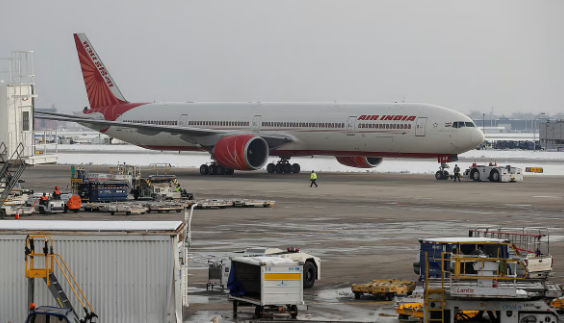
India’s aviation regulator has uncovered 51 safety violations at Air India following a recent audit, raising concerns over pilot training, crew rostering, and use of unapproved simulators. The findings add pressure on the Tata Group-owned carrier as it faces mounting scrutiny after a fatal crash in June.
According to a confidential 11-page report seen by Reuters, the Directorate General of Civil Aviation (DGCA) conducted the audit in July and identified seven serious “Level I” breaches that must be resolved by July 30, with 44 other issues to be addressed by August 23.
The audit was not directly linked to the deadly crash of an Air India Boeing 787 in Ahmedabad that killed 260 people, but it comes amid wider questions about the airline’s safety practices. The preliminary crash report pointed to confusion in the cockpit shortly after takeoff, with both pilots reportedly unaware of who had cut off fuel switches.
Among the most significant findings, the DGCA said that some Boeing 787 and 777 pilots had not completed mandatory recurrent training, including cockpit observation duties prior to evaluations. It also flagged that training for Category C airports — which typically have more complex layouts or terrain — was conducted using simulators that did not meet regulatory standards.
“This may account to non-consideration of safety risks during approaches to challenging airports,” the audit warned.
The report also criticised Air India’s flight and crew rostering system, noting that it failed to issue clear alerts when minimum crew numbers were not met. At least four international flights operated with insufficient cabin crew, the report said. In one case, a Boeing 787 flight from Milan to New Delhi exceeded flight duty time limits by over two hours — another “Level I” violation.
Air India confirmed to Reuters that it had cooperated fully during the audit and would respond to the DGCA within the required timeline, including details of corrective actions.
The report further noted gaps in documentation, failure to assign chief pilots to Airbus A320 and A350 fleets, and inconsistencies in door and equipment checks. “This results in a lack of accountability, and effective monitoring of flight operations for these aircraft types,” it added.
In recent weeks, the airline has received several warning notices, including for failing to replace engine parts on time and operating flights without verifying emergency equipment. Reuters reported that 29 “systemic” issues were flagged in notices sent to senior Air India executives on July 23.
While Tata Group’s 2022 acquisition of Air India was expected to revive the national carrier, the airline continues to face criticism from passengers over poor cabin conditions, broken equipment, and delayed services. Last year, Air India was fined $127,000 for failing to provide sufficient oxygen on board certain international flights — the largest safety fine imposed by regulators that year.
The DGCA’s latest audit was carried out by 10 inspectors and four auditors, underscoring the heightened oversight the airline now faces amid growing concerns over safety and operational compliance.