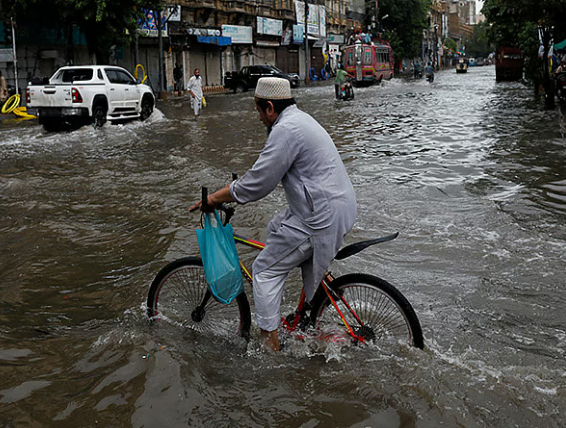
Torrential monsoon rains have claimed at least 54 lives and left over 220 people injured across Pakistan in the past 24 hours, the country’s National Disaster Management Authority (NDMA) confirmed on Thursday.
According to a statement from the NDMA, the death toll was recorded as of 8:00 a.m. local time (0300 GMT) Thursday. The majority of the fatalities occurred in Punjab province, Pakistan’s most populous region, which has been battered by relentless downpours since the start of the monsoon season.
“In the last 24 hours, 54 people were killed and 227 injured across Pakistan, with the majority of fatalities reported from Punjab,” an NDMA spokeswoman told AFP.
Many of the victims were killed in rain-related accidents, including roof collapses, electrocutions, and road incidents caused by waterlogged and damaged infrastructure. Children are among those confirmed dead, highlighting the vulnerability of rural and low-income communities to extreme weather.
The NDMA has warned that the situation could worsen in the coming days, as more heavy rainfall is forecast in several parts of the country, including Khyber Pakhtunkhwa, Sindh, and Balochistan provinces. Local authorities have been instructed to remain on high alert and to prepare for possible flash floods and landslides, especially in mountainous and river-adjacent regions.
Pakistan’s monsoon season typically runs from July through September and brings vital water for agriculture. However, in recent years, it has increasingly caused destruction due to climate change, poor drainage systems, and unregulated urban development. This season’s rains have already inundated roads, damaged homes, and disrupted transport and power supplies in major cities including Lahore, Karachi, and Islamabad.
Emergency response teams, including army personnel, have been deployed in the worst-hit areas to assist in rescue operations, evacuate residents from flooded zones, and provide relief items such as food, water, and shelter materials.
Prime Minister Shehbaz Sharif has expressed concern over the mounting casualties and damage, urging authorities to expedite relief efforts and ensure timely medical assistance to those injured.
The monsoon-related death toll is expected to rise as reports from remote and rural districts continue to arrive. The NDMA has called on citizens to stay informed through official weather updates and to take precautionary measures.
Last year, severe flooding triggered by record monsoon rains submerged a third of the country, affected over 33 million people, and caused economic damages estimated at more than $30 billion, prompting calls for greater investment in climate resilience and infrastructure reform.