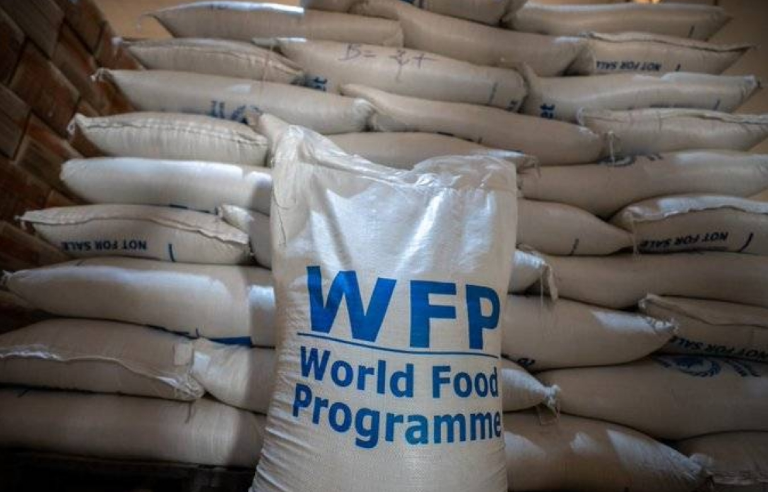
The United Nations World Food Programme (WFP) has issued a stark warning that nearly half a million refugees and vulnerable people in Cameroon could soon lose access to humanitarian food assistance, as the agency’s resources approach breaking point.
In a statement released Thursday, the WFP said that unless fresh funding arrives urgently, life-saving food aid will be cut off by the end of August for more than 240,000 people who fled conflict and instability in the region. Among those most affected would be children and mothers, with 200,000 set to lose vital nutrition support. School meal programmes for 60,000 children would also be suspended, threatening both their health and education.
“We have reached a critical tipping point,” said Gianluca Ferrera, WFP’s Country Director in Cameroon. “Without immediate funding, children will go hungry, families will suffer, and lives will be lost.”
The agency noted that the crisis has already begun to impact communities. In July, WFP was forced to halt food assistance to 26,000 Nigerian refugees living in the Minawao camp in northern Cameroon due to a lack of resources. The organisation has so far provided assistance to 523,000 people in 2025, including internally displaced families, refugees from Nigeria and the Central African Republic, and vulnerable host communities.
Cameroon, which has long grappled with conflict-driven displacement and food insecurity, is facing a worsening situation this year. According to the Cadre Harmonisé food security analysis published in March, an estimated 2.6 million people across the country are expected to experience acute food insecurity between June and August 2025. This represents a six percent increase compared with the same period last year.
Humanitarian officials warn that the funding shortfall could have devastating consequences in a country already strained by violence, displacement, and climate-related challenges. Refugees and displaced families often depend almost entirely on international assistance to meet their basic needs, leaving them especially vulnerable when resources run dry.
WFP emphasised that sustained international support is essential to avoid further deterioration of the crisis. The agency called on donors and partners to step forward with new commitments to ensure that aid programmes can continue uninterrupted.
“The cost of inaction will be measured in lives lost and futures destroyed,” Ferrera said. “We urgently need the world to stand with Cameroon’s most vulnerable at this critical time.”
As funding gaps widen and humanitarian needs grow, WFP’s warning underscores the fragile balance in which hundreds of thousands of people in Cameroon currently live—dependent on aid that could vanish within weeks unless global support materialises.