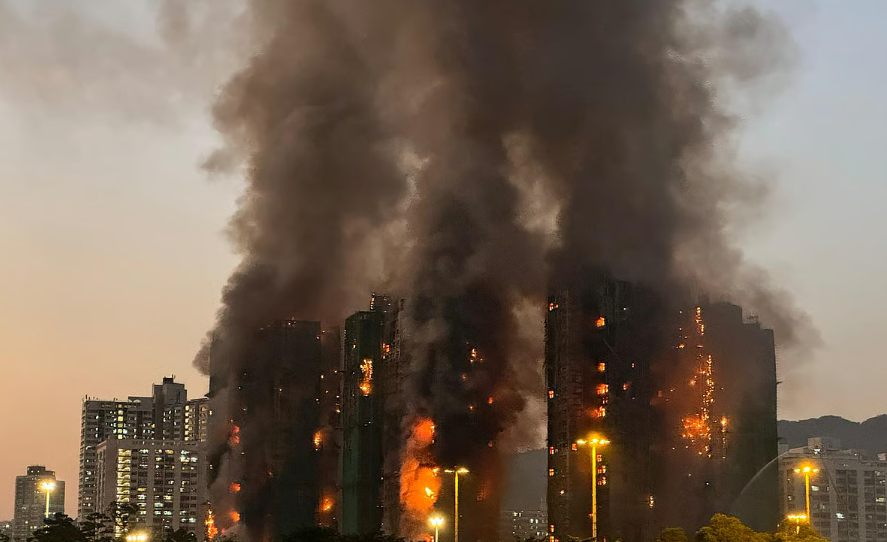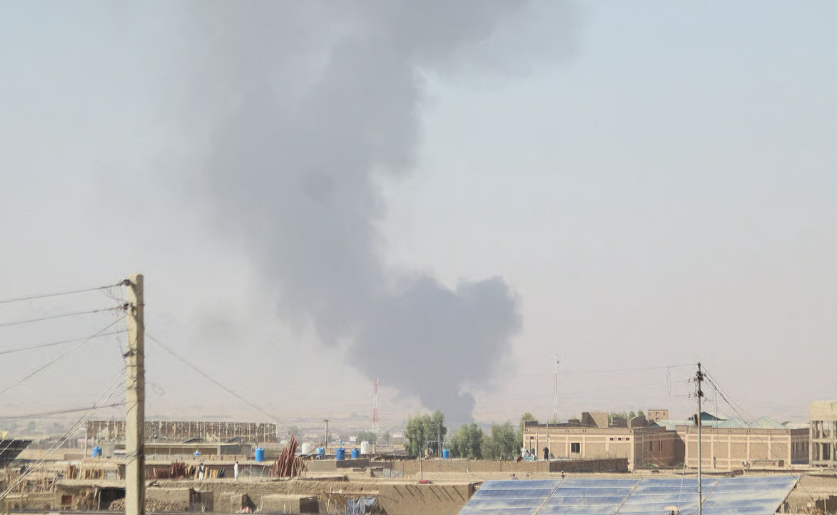
Fresh fighting broke out on Wednesday along the tense Pakistan-Afghanistan border, killing more than a dozen civilians and soldiers in one of the deadliest flare-ups since the Taliban’s return to power in Kabul. The renewed violence shattered a fragile calm following weekend clashes that had already left dozens dead on both sides.
According to Afghan officials, Pakistani forces launched attacks in the early hours of Wednesday in the Spin Boldak district of Kandahar province, killing more than a dozen Afghan civilians and injuring around 100 others. Islamabad, however, denied the accusation, calling it “outrageous and blatant lies.”
Pakistan’s authorities said four civilians were wounded when “Taliban forces” attacked the district of Chaman, located just across the border from Spin Boldak. The Chaman-Spin Boldak crossing, a major trade route between the two countries, has since been closed, disrupting cross-border commerce and leaving dozens of trucks stranded.
In a separate incident, six Pakistani paramilitary soldiers were killed and another six wounded during a clash with militants in the Orakzai border district, according to security officials. The violence erupted during a search operation following an attack last week that left 11 Pakistani soldiers dead. Nine militants were killed in the exchange of fire, the officials added.
The Pakistani military has not yet issued an official statement on the Orakzai fighting but has rejected Kabul’s claims of cross-border aggression. The recent confrontations mark the most serious escalation in relations between the two neighbours since the Taliban takeover in 2021, despite frequent skirmishes along their 2,600-kilometre frontier, known as the Durand Line.
Tensions have surged in recent months as Islamabad accuses the Taliban administration of harbouring militants from the Tehreek-e-Taliban Pakistan (TTP), responsible for a wave of attacks inside Pakistan. Kabul, in turn, accuses Pakistan of spreading misinformation, provoking border clashes, and sheltering Islamic State Khorasan (ISIS-K) fighters to destabilise Afghanistan.
Both sides deny the accusations, but the conflict has worsened humanitarian and economic strains in border areas. Pakistan is a key supplier of food and goods to landlocked Afghanistan, and the closure of several crossings has halted vital trade.
The escalating violence has drawn international concern. China has urged both countries to ensure the safety of its citizens and investments, while Russia has called for restraint. U.S. President Donald Trump also expressed willingness to mediate between the two sides to prevent further bloodshed.
The renewed border tension comes as Afghan Foreign Minister Amir Khan Muttaqi visits India—Pakistan’s long-time rival—for talks aimed at strengthening diplomatic ties. During the visit, New Delhi announced plans to reopen its embassy in Kabul, while the Taliban administration is preparing to send its own diplomats to India, signalling a new chapter in regional diplomacy amid deepening cross-border strife.