Scientists at France’s Institut Pasteur have raised renewed concerns about the global threat posed by the H5 strain of avian influenza, warning that a mutation enabling sustained human-to-human transmission could trigger a pandemic more severe than Covid-19.
During a press visit to the Paris-based institute, researchers highlighted the rapid spread of the virus among wild birds, poultry and an expanding number of mammal species. The outbreak has already resulted in the culling of hundreds of millions of birds worldwide, disrupting food supplies and contributing to sharp increases in global poultry prices. Despite this, human infections remain uncommon.
Marie-Anne Rameix-Welti, medical director of the Institut Pasteur’s respiratory infections centre, told Reuters that the greatest concern is the virus adapting more efficiently to mammals.
“What we fear is the virus adapting to mammals, and particularly to humans, becoming capable of human-to-human transmission,” she said. “That virus would be a pandemic virus.”
Researchers noted that unlike seasonal H1 and H3 flu strains, the public has no existing antibodies against H5 bird flu, creating the potential for rapid spread if the virus crosses the transmission threshold. Rameix-Welti said the risks differ from Covid-19 because certain influenza strains can cause severe illness and death even in healthy individuals, including children.
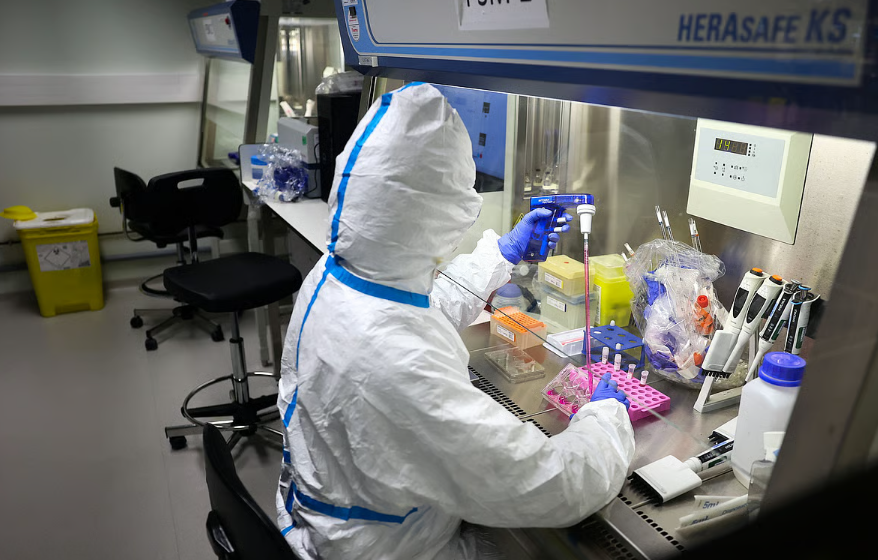
“A bird flu pandemic would probably be quite severe, potentially even more severe than the pandemic we experienced,” she said while discussing ongoing monitoring work at the laboratory.
Human infections linked to H5 strains have been recorded for years, usually among people in direct contact with infected poultry. This month, the United States reported its first known case of H5N5 in Washington state. The patient, who had underlying health conditions, died last week. The World Health Organisation reports nearly 1,000 human cases of various H5 infections between 2003 and 2025, mostly in Egypt, Indonesia and Vietnam, with a fatality rate of 48 per cent.
Despite these figures, global animal health authorities say the likelihood of a pandemic remains low at present. Gregorio Torres, head of the Science Department at the World Organisation for Animal Health, urged vigilance but not alarm.
“We need to be prepared to respond early enough,” he said. “But for the time being, you can happily walk in the forest, eat chicken and eggs and enjoy your life. The pandemic risk is a possibility. But in terms of probability, it’s still very low.”
Rameix-Welti stressed that the world is now better positioned to respond to a potential influenza crisis than it was at the onset of Covid-19. She noted that vaccine candidates for H5 strains already exist, and manufacturing processes can be activated quickly. In addition, stockpiles of antivirals believed to be effective against avian influenza are available.
Researchers say continued monitoring, rapid response capacity and early containment measures will be essential if signs emerge that the virus is adapting for efficient spread among humans.