The Democratic Republic of Congo (DRC) and Rwanda have taken a significant step toward ending years of conflict in eastern Congo, initialling a peace agreement that is set to be formally signed on June 27 in Washington, D.C.
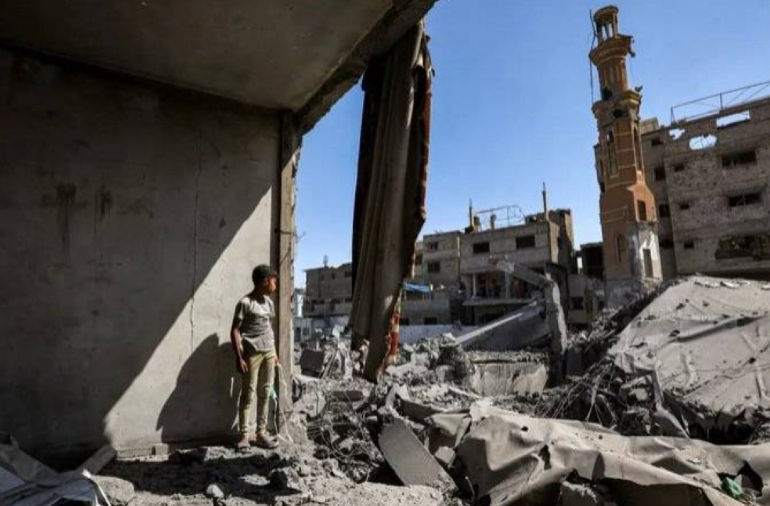
The agreement, announced in a joint statement on Wednesday, aims to de-escalate hostilities and restore stability in a region long plagued by violence, displacement, and political tension. The accord includes provisions for mutual respect of territorial integrity and a formal prohibition of hostilities in eastern DRC, where fighting between armed groups and government forces has displaced millions.
“This marks a turning point in regional diplomacy,” the statement said. “The agreement builds on the declaration of principles signed in April and paves the way for long-term peace and cooperation.”
The United States and Qatar played key roles in mediating the deal, which follows months of behind-the-scenes negotiations. U.S. Secretary of State Marco Rubio is expected to formally witness the signing later this month in Washington.
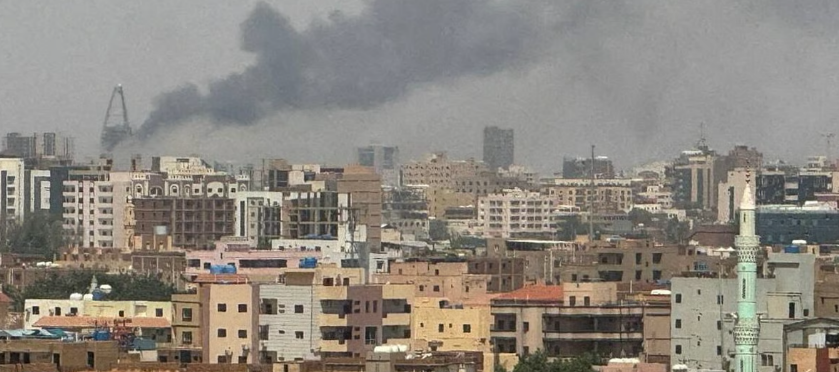
The eastern DRC has suffered from a prolonged conflict involving Congolese forces, Rwandan-backed militias, and various rebel factions. Kinshasa has repeatedly accused Kigali of supporting the M23 rebel group, a charge Rwanda denies. The conflict has strained diplomatic ties and threatened broader regional stability across the Great Lakes region.
Diplomats familiar with the negotiations say the new agreement includes confidence-building measures, cross-border security cooperation, and a roadmap for disarmament and reintegration of non-state actors.
While observers welcomed the preliminary accord, some cautioned that enforcement will be critical. Previous peace efforts have faltered amid renewed violence and lack of trust between the two nations.
Still, regional and international stakeholders expressed cautious optimism. “This is a much-needed step forward,” said one U.S. official close to the talks. “It reflects the willingness of both sides to put diplomacy first and address the root causes of conflict.”
The formal signing ceremony on June 27 is expected to include senior delegations from both countries, along with representatives from the African Union, the United Nations, and other regional blocs.
If successfully implemented, the agreement could signal a new chapter for a region that has endured decades of turmoil.