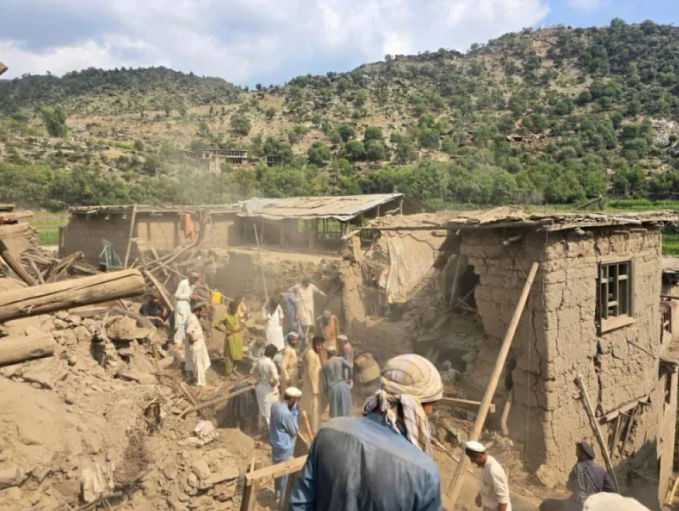
Afghan authorities said on Wednesday that the death toll from the powerful earthquake that struck the country early Monday has risen to at least 2,205, with more than 3,600 people injured. Officials warned that the number of victims is likely to climb further as search and rescue operations continue under difficult weather and environmental conditions.
A government spokesman noted that rescue workers were still recovering bodies late into the night, underscoring the scale of devastation and the challenges facing emergency crews. Entire villages have been flattened, leaving thousands homeless and vulnerable.
The Afghan Ministry of Defense confirmed it has conducted dozens of air evacuations, moving wounded residents and their families to hospitals across the affected regions. Military helicopters and planes have been central in reaching remote areas cut off by damaged roads and heavy rainfall, which have complicated rescue efforts.
International aid organizations have begun mobilizing support, though access remains a significant challenge. The World Health Organization (WHO) warned that the window for finding survivors alive under the rubble is narrowing rapidly. The agency also raised alarms about the potential for disease outbreaks in the aftermath of the quake, given the destruction of basic infrastructure and sanitation systems.
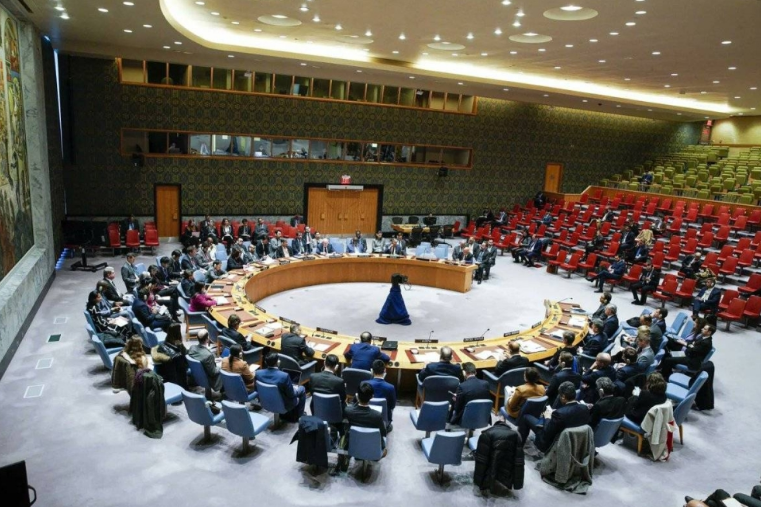
To address urgent needs, the WHO has launched a $4 million emergency appeal to help provide medical assistance, shelter, and other essential supplies. Meanwhile, the United Nations announced that it has released $5 million from its emergency relief fund to support the response.
Local hospitals are overwhelmed by the influx of casualties. Doctors say they are struggling to treat the injured amid shortages of medicine and medical equipment. Aid groups report that many survivors are being treated in makeshift facilities or under tents, as health services in the quake-hit provinces are stretched beyond capacity.
The disaster compounds Afghanistan’s already fragile humanitarian situation. The country is grappling with widespread poverty, limited infrastructure, and restricted access to international aid due to ongoing political isolation. Relief agencies stressed that without swift and coordinated support, survivors face a heightened risk of disease, hunger, and exposure.
Despite the challenges, Afghan authorities have vowed to press on with rescue and relief operations. “We will continue our efforts to save lives and help the victims of this tragedy,” a government spokesman said. “The situation is dire, but we are determined not to give up.”
As emergency teams race against time, officials and aid groups alike say the coming days will be critical in determining the scale of the humanitarian crisis left behind by one of the deadliest earthquakes to strike Afghanistan in recent years.