Europe is preparing for severe weather as Storm Goretti approaches, bringing strong winds, heavy snow, and plunging temperatures from Britain to Germany. Authorities have issued warnings across several countries, urging residents to take precautions and avoid travel where possible.
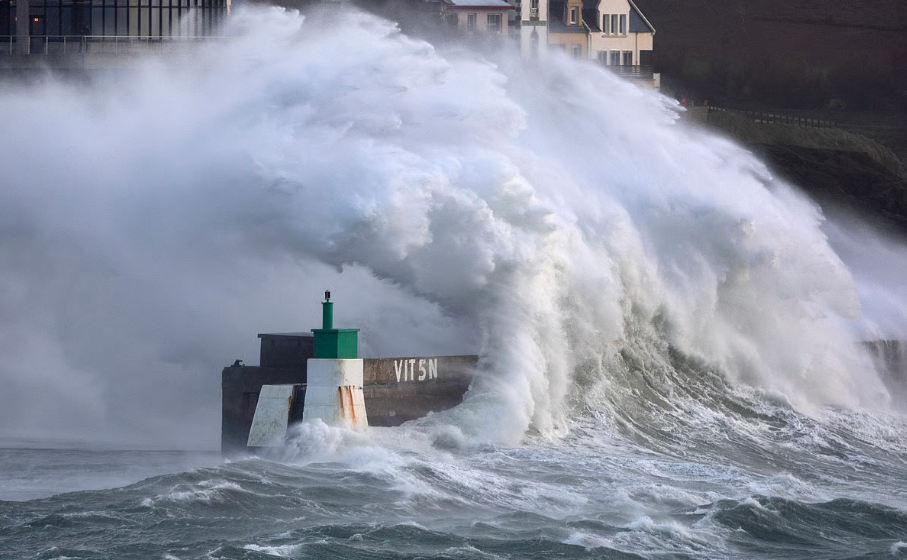
In southwestern England, the Met Office issued a rare red wind warning for the Isles of Scilly and Cornwall from 1600 GMT to 2300 GMT on Thursday, its highest alert level. Winds of up to 160 kilometres per hour (100 miles per hour) are expected, accompanied by very large waves that could create hazardous coastal conditions. The agency also issued an amber snow warning covering Wales, the Midlands, and parts of northern England, forecasting snow accumulations of up to 30 centimetres (11 inches) in some areas. National Rail has warned that train services will face disruptions over the next two days and advised people to avoid non-essential travel. Air travel from London had not yet reported any major disruptions.
France is also bracing for the storm, with gusts expected to reach 160 kilometres per hour in the northern Manche department. Schools in the area will remain closed on Friday, and weather alerts have been issued in 30 other northwestern regions. The Manche prefecture urged residents to take shelter, avoid using vehicles, and prepare emergency lighting and drinking water supplies.
In Germany, northern regions can expect up to 15 centimetres (six inches) of snow, while southern areas face icy conditions. Temperatures could fall as low as -20C over the weekend. Some cities, including Hamburg and Bremen, have announced school closures on Friday. Public transport in Hamburg has already experienced delays and cancellations, and Deutsche Bahn has mobilised over 14,000 staff to clear snow from tracks and stations, warning of significant travel disruptions in the coming days.
The German Weather Service (DWD) said the storm is likely to continue until Saturday, with snowfall tapering off by Monday. Meteorologist Andreas Walter noted that storms like Goretti are unusual compared with recent milder winters and are influenced by long-term climate change. “It’s still possible to have a cold month with snow, even as temperatures rise due to climate change, but such events will become rarer in the future,” he said.
Elsewhere in northern Europe, the Norwegian Meteorological Institute reported that Svalbard was the only region in Norway with temperatures above freezing on Thursday, highlighting the widespread impact of the storm.
Residents across affected countries are being urged to prepare for extreme conditions, stay informed through official channels, and avoid unnecessary travel until the storm passes.