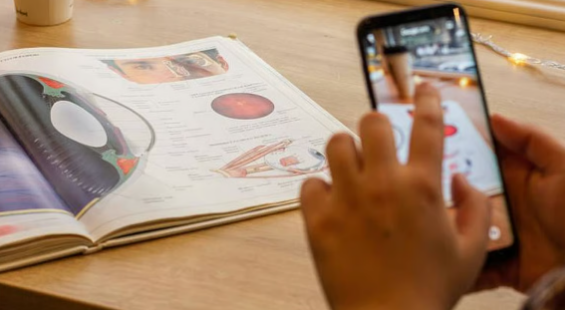
Emirates International School (EIS) in Dubai has announced a complete ban on the use of mobile phones inside classrooms, a move its owner, Emirati businessman Khalaf Ahmad Al Habtoor, says is aimed at fostering discipline and improving the focus of students.
The decision, revealed on Saturday through a video posted by Al Habtoor on his official X account, comes just two days before the start of the new academic year on Monday. “Students will have to hand over their phones to the management or not bring them to school. This [use of mobile phones] will not be allowed at all until they finish their classes, then get them back,” Al Habtoor explained.
Al Habtoor emphasized that the policy was introduced to create “a more focused and disciplined educational environment” and urged other schools across the UAE to adopt similar rules. “I call upon all schools in the country to follow the example of Emirates International School, as we are all partners in building a generation that knows how to balance technology and values, and knowledge and identity. For education is a trust and a responsibility,” he said.
Mobile phone restrictions in UAE schools vary, with public schools already enforcing strict policies that prohibit students from bringing devices to class. Repeated violations can lead to confiscation of the phone for the remainder of the academic year. Some private schools also enforce comparable rules, issuing warnings before seizing devices.
Emirates International School, which operates campuses in Jumeirah and Meadows, was founded in 1991 as part of Al Habtoor Group’s community initiatives. The new policy adds to its broader focus on instilling values alongside academics.
Focus on Arabic Language and Identity
In addition to the mobile phone ban, Al Habtoor said the school will be giving renewed emphasis to Arabic language instruction in its curriculum. He stressed the importance of promoting Arabic to strengthen cultural identity and belonging. “Arabic must be given the importance it deserves in the daily curriculum, affirming its role in preserving identity and belonging,” Al Habtoor said in his address.
The announcement aligns with recent reforms by the UAE Ministry of Education (MoE), which has rolled out changes to bolster Arabic and Islamic education, particularly in early grades. Starting this academic year, Grade 1 students in 100 schools will take an Arabic baseline assessment to help design targeted support programmes.
Dubai’s Knowledge and Human Development Authority (KHDA) has also implemented new rules requiring all private schools and early childhood centres to teach Arabic to children from birth to six years of age. The policy, announced earlier this year, reflects a nationwide effort to enhance Arabic learning from the earliest stages of education.
By banning mobile phones and reinforcing Arabic education, Emirates International School positions itself in line with national priorities, aiming to nurture well-rounded students who are academically capable, culturally aware, and disciplined in their use of technology.