A fragile ceasefire between Pakistan and Afghanistan continued to hold on Thursday following days of intense cross-border clashes that left dozens dead and hundreds wounded, officials from both countries confirmed.
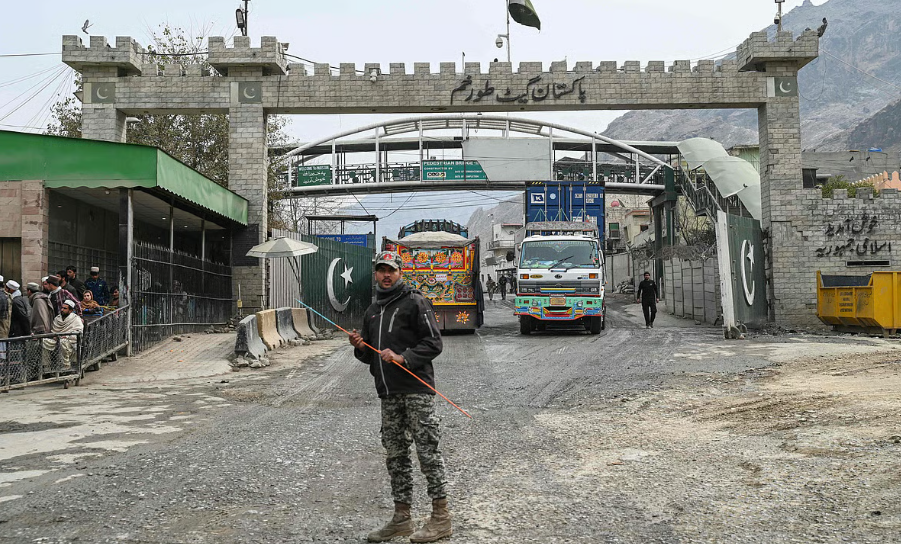
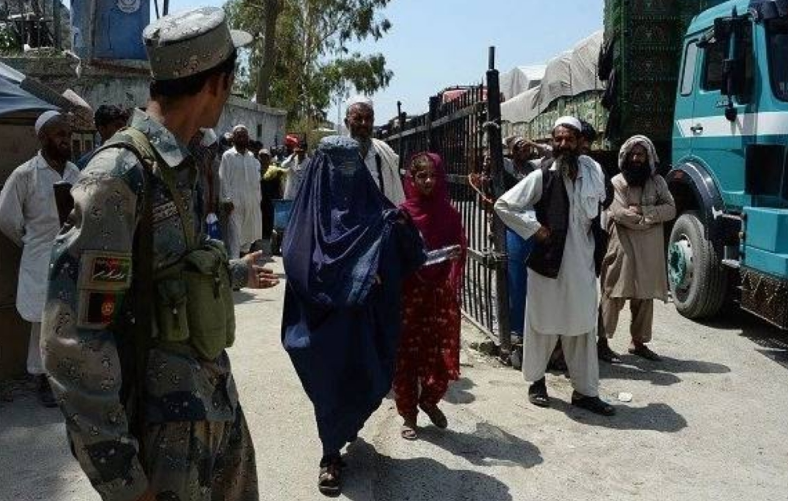
The violence, which erupted earlier in the week along the frontier near Spin Boldak — a key crossing between southern Afghanistan and Pakistan’s Balochistan province — had forced residents to flee as shells and gunfire pounded the area. On Thursday, an AFP journalist reported that shops were reopening and families were returning to their homes as calm gradually returned.
The 48-hour truce, brokered to allow space for “constructive dialogue,” was announced by Islamabad on Wednesday. Pakistani Prime Minister Shehbaz Sharif said the continuation of the ceasefire would depend on Kabul’s willingness to address Islamabad’s “genuine demands,” including the elimination of Pakistani Taliban (TTP) militants allegedly operating from Afghan soil.
“If in 48 hours they want to resolve the issues and address our genuine demands, then we are ready for them,” Sharif said, adding that Pakistan expected assurances that Afghan territory would not be used to plot attacks against its forces.
Pakistan has faced a sharp rise in assaults targeting its security forces along the western border, many of them claimed by the TTP and affiliated groups.
The fighting this week caused significant civilian casualties. Spin Boldak’s health director reported that 40 civilians were killed and 170 wounded on Wednesday, while the UN mission in Afghanistan put the toll at 18 dead and over 350 injured.
Witnesses described chaotic scenes. “Our houses were bombed, a child was wounded. I heard the plane myself,” said Abdul Zahir, a resident of Spin Boldak. “It’s terrifying.”
Hundreds of residents attended the funerals of victims, including seven members of the same family.
Islamabad accuses the Taliban-led government in Kabul of harbouring militants behind the attacks — allegations the Afghan authorities deny. Afghan officials, meanwhile, claimed Pakistani strikes had killed civilians in Kandahar and Kabul, though Pakistani security sources said their military had conducted “precision strikes” against armed groups.
The clashes came amid broader regional tensions, coinciding with explosions in Kabul and Kandahar shortly before the ceasefire was announced. Power outages and damaged infrastructure were reported in Kabul, where at least five people were killed and 35 wounded, according to the Italian NGO EMERGENCY.
UN human rights chief Volker Türk welcomed the truce, urging both sides to prevent further civilian harm and work toward a lasting peace.
While calm has returned for now, observers warn that unless both governments address the underlying security concerns, the border could again become a flashpoint in the volatile region.