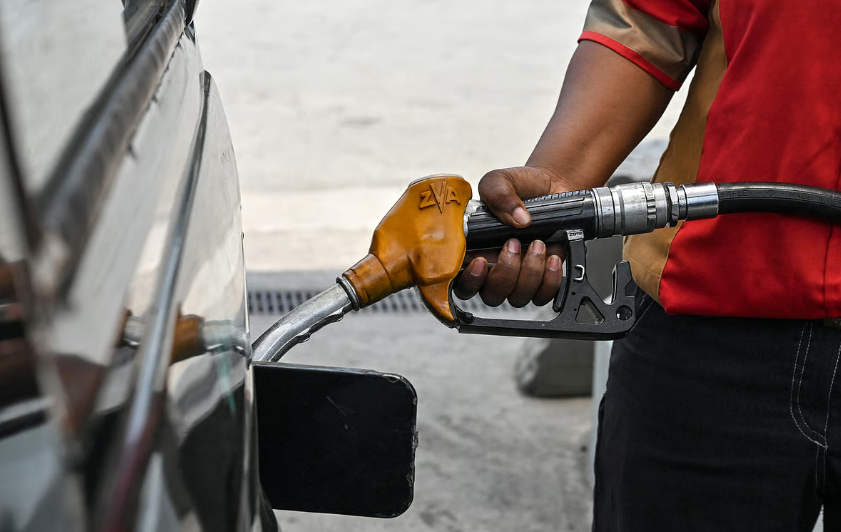
Petrol prices in the United Arab Emirates are expected to witness a slight adjustment in October, following a month of relatively stable oil prices in global markets. The country’s fuel price committee, which reviews retail rates for petrol and diesel at the end of each month, bases its decisions on international oil market trends from the previous month.
According to data for August, Brent crude averaged $67.03 per barrel, up marginally from $66.90 in July. Analysts say the minor change suggests that October’s fuel prices in the UAE are unlikely to fluctuate sharply. Since the deregulation of petrol prices in 2015, the UAE has aligned domestic rates with global benchmarks, ensuring transparency and closer market integration.
For September, retail prices stood at Dh2.70 per litre for Super 98, Dh2.58 for Special 95, and Dh2.51 for E-Plus. These rates serve as an important benchmark not just for consumers, but also for businesses across multiple sectors.
Fuel prices have a broad impact on the economy, influencing inflation, consumer spending, and operational costs. Industries such as logistics, construction, aviation, and shipping are especially sensitive to shifts in energy prices. Even slight increases or decreases can have knock-on effects, shaping competitiveness in both domestic and international markets.
Market observers note that global oil prices have been under downward pressure in recent weeks due to additional supply entering the market. A key development was the agreement reached between Iraq, the Kurdistan Regional Government, and international oil companies to resume crude exports through the pipeline to Turkey’s Mediterranean coast. The resumption is expected to unlock an estimated 230,000 barrels per day of crude, easing supply constraints that had previously supported higher prices.
Commenting on the outlook, Vijay Valecha, Chief Investment Officer at Century Financial, said: “The deal is set to resolve a two-year payment dispute, unlocking around 230,000 barrels per day of additional supply at a time when the market is already facing surplus forecasts, weighing further on prices.”
Valecha also highlighted ongoing geopolitical risks, particularly those related to Russia’s energy sector. “Ukraine has escalated strikes on Moscow’s energy infrastructure, while Western nations continue to debate additional measures to restrict Russian oil exports,” he said.
While the resumption of Iraqi oil exports may contribute to moderating prices, experts caution that geopolitical uncertainties in Europe and the Middle East could continue to influence energy markets in the months ahead.
With Brent crude trading in a narrow band, UAE motorists may see only modest adjustments when the October rates are announced later this month. For businesses, the stability provides a measure of predictability, even as global energy markets remain susceptible to sudden shifts in supply and geopolitical tensions.