Petrol prices in the UAE may see a modest decline next month if global crude oil prices remain subdued through the end of October. The country’s Fuel Price Committee is expected to announce new rates for November on October 31, following its policy of aligning domestic fuel prices with international market trends.
Brent crude averaged around $65.22 a barrel in October, down from $67 in September, suggesting room for a downward adjustment in UAE retail prices. For much of the month, oil prices have been on a downward trajectory, touching their lowest levels in nearly five months amid concerns of oversupply.
However, a slight rebound was seen late this week after the United States imposed sanctions on Russian oil companies, lifting prices modestly. By Friday evening, benchmark crude grades were trading higher, with West Texas Intermediate (WTI) at $61.61 per barrel and Brent at $66.05.
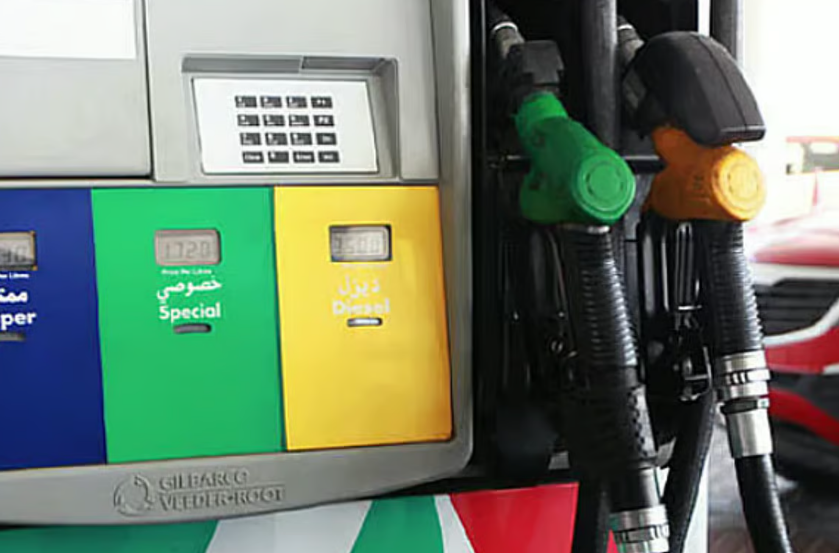
In October, the UAE raised petrol prices by seven fils per litre. Current rates stand at Dh2.77 for Super 98, Dh2.58 for Special 95, and Dh2.71 for E-Plus 91. Analysts now expect that the November revision could bring minor relief to motorists if the recent dip in crude prices persists.
Earlier this month, Brent briefly fell below $61 a barrel on fears of a supply glut. Market forecasts indicate that production could continue to outpace demand over the coming years, creating a potential bearish trend in oil markets.
“Crude oil prices remain under pressure, reflecting growing expectations of surplus and weakening global demand,” said Nadir Belbarka, an analyst at XMArabia. “Forecasts suggest global supply could rise by over three million barrels per day (bpd) in 2025 and another 2.4 million bpd in 2026, while demand growth is projected to slow to just 700,000 bpd annually. This imbalance could keep prices at their lowest levels in months.”
Despite this, Belbarka added that geopolitical risks are providing some price support. “Ongoing concerns about Russian export capacity, Iranian production limits, and vulnerabilities in shipping routes are sustaining a risk premium,” he said.
Global banks remain divided on the outlook for crude. Bank of America maintains a $55 forecast, citing steady Asian consumption and supply discipline from Opec+ as stabilizing factors. Citigroup, however, expects further weakness, projecting oil could fall to $50 if economic momentum slows and geopolitical tensions ease.
With these mixed signals, the UAE’s November fuel price decision will likely reflect the broader tug-of-war between oversupply fears and geopolitical uncertainties shaping global energy markets.