Petrol prices in the United Arab Emirates are projected to remain largely stable or see only marginal changes in August, as global crude oil benchmarks show limited volatility and inflationary pressures remain subdued.
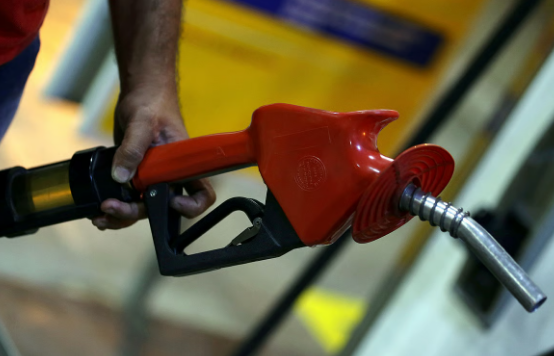
According to data from July, Brent crude averaged $68.80 per barrel, a slight decrease from June’s $69.87. This minor drop is reflected in current UAE fuel prices, with Super 98 petrol priced at Dh2.70 per litre, Special 95 at Dh2.58, and E-Plus 91 at Dh2.51.
The UAE continues to rank among the top 25 countries with the lowest fuel prices globally, supported by government policy and relatively stable global oil market conditions. With petrol averaging Dh2.58 per litre, fuel affordability is playing a key role in curbing inflation and maintaining steady transport and logistics costs across the country.
Inflation in the UAE stood at 1.4% during the first quarter of 2025, driven largely by declining energy costs. As a result, the Central Bank has revised its annual inflation forecast slightly downward—from 2% to 1.9% for 2025. The 2026 inflation forecast has also been adjusted from 2.1% to 1.9%, with lower transportation and commodity prices cited as primary contributors.
“The easing of prices for key non-energy commodities and steady fuel costs is helping anchor inflation expectations,” noted a Central Bank statement. “This supports consumer spending and provides economic stability.”
Global oil prices in July were largely influenced by geopolitical developments and international trade negotiations. However, a late-month rebound in crude oil futures brought cautious optimism.
Osama Al Saifi, Managing Director for MENA at Traze, attributed the uptick to recent developments in international trade diplomacy. “The US-Japan agreement to reduce tariffs on automobile imports and increase US-bound investments has buoyed oil prices,” he said. “Additionally, active trade talks between the US and the EU are reinforcing expectations of a boost in global crude demand.”
Despite the positive sentiment, Al Saifi warned that uncertainty persists. “While these agreements signal stronger demand, doubts over the timing and extent of implementation may limit oil price rallies in the short term.”
Given these conditions, analysts expect that UAE petrol prices will continue to be adjusted conservatively, reflecting global oil movements while protecting domestic economic stability. Fuel prices for August are due to be announced at the end of the month by the UAE’s fuel price committee.